
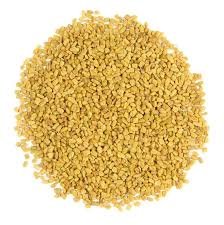
Foenegriek, known in English as fenugreek, is one of the oldest medicinal and culinary plants used across Asia, the Middle East, and Europe for thousands of years because of its rich nutritional profile and healing properties. The small golden seeds and aromatic leaves of foenegriek have been valued in traditional health systems for improving digestion, supporting metabolism, enhancing skin and hair health, and helping overall wellness through natural plant nutrition. Today, foenegriek continues to gain popularity in modern lifestyles because people are looking for natural foods that offer both flavor and health benefits without harmful chemicals, and this ancient herb provides a powerful combination of vitamins, minerals, fiber, and plant compounds that can support daily health when used in balanced amounts.
What is Foenegriek and Where It Comes From
Foenegriek comes from the plant Trigonella foenum-graecum, a member of the legume family that grows widely in regions such as India, Egypt, and Morocco, where it has been used for cooking and medicine for centuries. The seeds have a slightly bitter taste that becomes nutty when roasted, while the leaves are used fresh or dried in traditional dishes. Ancient civilizations, including those in Greece and China, valued foenegriek for its healing abilities, using it to support digestion, treat inflammation, and strengthen the body. Because of its long history, foenegriek is not a new trend but a time-tested natural herb that continues to be studied for its modern health applications.
Nutritional Value of Foenegriek
Foenegriek seeds are rich in protein, fiber, iron, magnesium, potassium, and plant compounds such as saponins and flavonoids that contribute to overall health. The high fiber content supports digestive health by improving bowel movement and feeding beneficial gut bacteria, while iron helps maintain healthy blood levels and prevents fatigue caused by deficiency. Foenegriek also contains natural antioxidants that protect cells from damage caused by pollution, stress, and unhealthy foods, which may support long-term wellness and reduce inflammation in the body. Because foenegriek combines protein and fiber, it can help people feel full longer, making it useful for healthy weight management when combined with a balanced diet and physical activity.
Health Benefits of Foenegriek
Foenegriek is widely known for supporting digestion because its soluble fiber helps reduce constipation and soothe the stomach, making it helpful for people with bloating or irregular digestion. Another major benefit is blood sugar control because some studies show that compounds in foenegriek slow carbohydrate absorption and improve insulin response, which can help people maintain stable energy levels throughout the day. Foenegriek is also associated with heart health because its fiber may help reduce bad cholesterol levels, while antioxidants support blood circulation. Many people use foenegriek to support hormonal balance, especially women who experience menstrual discomfort or nursing mothers who need support for milk production, although medical advice is always recommended before using herbs for health conditions.
Foenegriek for Hair and Skin Care
Foenegriek has been used for natural beauty care in many cultures because of its nourishing oils and proteins that strengthen hair and soothe skin. Hair masks made from soaked foenegriek seeds can help reduce dandruff, dryness, and hair breakage by providing natural moisture and strengthening the roots. For skin, foenegriek paste is often used in face masks because it contains antioxidants and anti-inflammatory compounds that may reduce acne, irritation, and dullness. Regular use of natural plant-based treatments like foenegriek may improve skin texture and hair shine, but results depend on consistency and overall lifestyle, including hydration, diet, and sleep.
Culinary Uses of Foenegriek Around the World
Foenegriek is a famous ingredient in many traditional dishes, especially in South Asian cooking where it is known as methi and used in curries, breads, and spice blends. The leaves are added to vegetable dishes for aroma, while roasted seeds are used in spice mixes that give depth of flavor to sauces and stews. In Middle Eastern and North African cuisine, foenegriek seeds are sometimes used in herbal teas or breads for both taste and health benefits. Because foenegriek has a strong flavor, it is usually used in small amounts to enhance dishes rather than overpower them, and roasting or soaking the seeds can reduce bitterness while improving taste.
How to Use Foenegriek in Daily Life
Foenegriek can be added to daily routines in many simple ways that do not require complicated recipes or expensive products. Soaking a teaspoon of seeds overnight and drinking the water in the morning is a traditional practice believed to support digestion and metabolism. Foenegriek powder can be mixed into smoothies, yogurt, or soups, while fresh leaves can be cooked with vegetables or lentils for a nutritious meal. Herbal tea made from foenegriek seeds may help hydration and digestion when consumed in moderate amounts. Consistency is important because natural herbs work slowly and gently compared to chemical treatments, so regular use in small amounts often gives better results than large occasional doses.
Possible Side Effects and Precautions
Although foenegriek is natural, it should be used responsibly because every herb contains active compounds that affect the body. Some people may experience mild stomach upset or allergic reactions, especially when consuming large amounts. Pregnant women should consult healthcare professionals before using foenegriek supplements because certain herbs may affect hormones. People taking medications for diabetes or blood pressure should also seek medical advice because foenegriek can influence blood sugar levels. Using herbs safely means respecting recommended amounts, listening to the body, and combining natural remedies with professional healthcare guidance.
Foenegriek in Modern Research
Modern scientific studies are exploring the potential of foenegriek for metabolic health, inflammation control, and digestive support, confirming many traditional beliefs about this herb. Researchers are studying how its fiber helps regulate cholesterol levels and how its plant compounds influence insulin sensitivity, which could be useful for people managing blood sugar. While more research is needed for medical claims, nutrition science already recognizes foenegriek as a valuable functional food that supports overall health when included in balanced diets. The future of foenegriek in health and nutrition may include new food products, herbal supplements, and natural wellness solutions based on this ancient plant.
Conclusion
Foenegriek is a powerful example of how traditional herbs can still play an important role in modern life because it combines nutrition, flavor, and natural healing in one simple plant. From supporting digestion and metabolism to improving skin and hair health, foenegriek offers many benefits when used responsibly and consistently. By including natural herbs like foenegriek in daily meals, people can move toward healthier lifestyles that respect both ancient wisdom and modern science, creating balance in body and mind without relying on artificial solutions.
FAQs
What is foenegriek used for
Foenegriek is used for cooking, improving digestion, supporting blood sugar balance, and promoting overall wellness.
Is foenegriek safe to eat daily
Yes, foenegriek is safe in small food amounts, but supplements should be taken with medical advice.
Can foenegriek help with weight loss
Foenegriek may support weight management by improving digestion and reducing appetite through its fiber content.
How should foenegriek seeds be consumed
Foenegriek seeds can be soaked in water, roasted in food, ground into powder, or brewed as herbal tea.
Does foenegriek improve hair growth
Foenegriek may help strengthen hair and reduce dandruff because of its proteins and natural oils.
Can foenegriek control blood sugar
Foenegriek may help stabilize blood sugar levels, but people with diabetes should consult doctors before using it.
Are there any side effects of foenegriek
Some people may experience stomach discomfort or allergies if they consume too much foenegriek.