
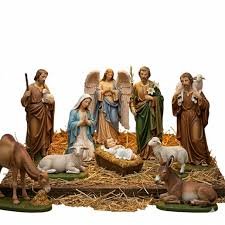
Nativität is a German word meaning “nativity” or “birth,” most commonly referring to the birth of Jesus Christ, an event that holds deep religious, cultural, and historical importance across the world. The story of the Nativität is not only a religious narrative but also a symbol of hope, humility, and renewal that has influenced art, music, literature, and social traditions for centuries. For millions of believers in Christianity, the Nativität represents divine love and the beginning of a message centered on compassion, forgiveness, and spiritual transformation, while in cultural life it has inspired festivals, decorations, and community celebrations that bring families together and strengthen social bonds. Understanding the Nativität means exploring history, faith, symbolism, and global traditions that continue to shape societies even in the modern world.
The Biblical Story of the Nativität
The story of the Nativität comes mainly from the Gospel of Luke and the Gospel of Matthew, which describe how Mary and Joseph traveled to Bethlehem, where Jesus was born in humble surroundings because there was no room in the inn. Shepherds were said to have been guided by angels to witness the newborn child, and wise men followed a star to bring gifts, symbolizing recognition of spiritual greatness. This narrative emphasizes humility, simplicity, and faith, showing that greatness can emerge in the most modest places, and its message continues to inspire believers to value compassion and kindness above wealth and power.
Historical Context of the Nativität
Understanding the Nativität also requires knowledge of the historical period in which it took place, a time when the Roman Empire ruled large parts of the Middle East and people lived under strict political control and heavy taxation. The birth of Jesus occurred in a society filled with social inequality, religious tension, and hope for change, which gave the Nativität powerful symbolic meaning for people seeking justice and spiritual renewal. Historians study cultural practices, travel routes, and ancient records to understand how people lived during that time, helping us see the Nativity story not only as a spiritual event but also as part of a real historical environment where families faced hardship and uncertainty, making the message of hope even more meaningful.
Symbolism in the Nativität Story
The Nativität contains rich symbolism that has been interpreted in many ways by theologians, artists, and scholars throughout history. The stable represents humility and simplicity, showing that greatness does not require luxury, while the star symbolizes guidance and divine light leading people toward truth. The gifts brought by the wise men—gold, frankincense, and myrrh—represent kingship, spirituality, and sacrifice, reflecting different aspects of Jesus’s life and mission. The shepherds symbolize ordinary people, showing that spiritual truth is accessible to everyone regardless of social status. These symbols make the Nativität a timeless story that speaks to people across cultures and generations, reminding them of values such as kindness, generosity, and faith.
Nativität in Art and Literature
The Nativität has inspired countless works of art, from medieval paintings to modern films, because its emotional depth and symbolic meaning provide powerful creative material. Renaissance artists like Leonardo da Vinci and Michelangelo explored religious themes that influenced depictions of the Nativity, while composers like Johann Sebastian Bach created music celebrating the birth of Christ. Nativity scenes became popular in churches and homes, using sculptures and decorations to retell the story visually. Literature, poetry, and modern storytelling continue to reinterpret the Nativität, showing how its themes of hope and renewal remain relevant even in contemporary society.
Global Traditions Related to the Nativität
Around the world, the Nativität is celebrated through festivals, decorations, and community gatherings, especially during Christmas, which commemorates the birth of Jesus. In Europe, nativity scenes are displayed in churches and homes, while in Latin America, community reenactments bring the story to life through music and drama. In Africa and Asia, Christmas celebrations combine local customs with Nativity traditions, showing how cultures adapt the story to their own heritage. These celebrations promote unity, charity, and gratitude, encouraging people to help the poor and share joy with others during the holiday season.
The Spiritual Meaning of Nativität
For believers, the Nativität represents divine love entering the human world, offering guidance and redemption through compassion and sacrifice. It reminds people to practice humility, forgiveness, and kindness in their daily lives, and many religious teachings emphasize caring for the poor, respecting others, and living honestly. The Nativität also symbolizes new beginnings, encouraging people to reflect on their actions and improve themselves spiritually. Even for those who are not religious, the Nativity story can inspire positive values such as generosity, empathy, and hope in difficult times.
Nativität in Modern Society
In modern times, the Nativität continues to influence culture, ethics, and community life even as societies become more diverse and secular. Schools, charities, and social organizations often use Nativity themes to promote kindness, volunteer work, and family unity during the holiday season. Media and technology share Nativity stories through films, songs, and online platforms, making the message accessible to new generations. While interpretations may differ, the core idea of hope and renewal remains powerful, reminding people that compassion and understanding are essential for peaceful societies.
Conclusion
The Nativität is more than a historical or religious story because it carries universal themes of hope, humility, and love that continue to inspire people across cultures and generations. From ancient scriptures to modern celebrations, the Nativity reminds humanity of the importance of compassion, unity, and faith in building a better world. Whether understood as a religious miracle or a cultural symbol, the Nativität remains a timeless message encouraging people to live with kindness, gratitude, and hope for the future.
FAQs
What does Nativität mean
Nativität is a German word meaning nativity or birth, usually referring to the birth of Jesus Christ.
Where did the Nativität take place
The Nativität is believed to have taken place in Bethlehem according to biblical accounts.
Why is the Nativität important
It is important because it represents hope, divine love, and the beginning of Christian teachings.
Which books describe the Nativität
The story is mainly described in the Gospel of Luke and the Gospel of Matthew.
How is the Nativität celebrated today
It is celebrated through Christmas traditions, nativity scenes, church services, and family gatherings.
What is the message of the Nativität
The message is about humility, compassion, forgiveness, and hope for humanity.
Is the Nativität only important for Christians
While it is central to Christianity, its themes of kindness and hope inspire people of many cultures and beliefs.