
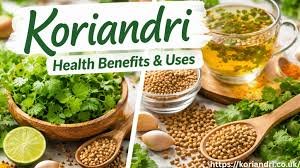
Koriandri, more commonly known in English as coriander, is one of the most ancient and widely used herbs in the world, valued for its aromatic leaves, flavorful seeds, medicinal properties, and cultural significance across civilizations. Scientifically referred to as Coriandrum sativum, koriandri belongs to the parsley family and has been cultivated for thousands of years in regions spanning from the Mediterranean to Asia and the Americas. Every part of the plant is useful, from its fresh green leaves, often called cilantro in some countries, to its dried seeds, which are a staple spice in countless traditional dishes. Koriandri is more than just a culinary ingredient; it represents agricultural heritage, traditional medicine, trade history, and evolving global food culture. In this comprehensive article, we will explore the origins of koriandri, its botanical characteristics, nutritional value, culinary applications, health benefits, cultivation methods, economic importance, and cultural symbolism, while also addressing common questions and misconceptions surrounding this versatile herb.
The Historical Origins of Koriandri
The story of koriandri begins thousands of years ago, with archaeological evidence suggesting its use in ancient civilizations such as Egypt, Greece, and Rome, where it was prized not only for its flavor but also for its medicinal properties and symbolic meaning. Seeds of Coriandrum sativum were discovered in the tomb of Tutankhamun, demonstrating its value in ancient Egyptian society, where herbs often held spiritual significance. The Greeks and Romans incorporated koriandri into their cooking and medical practices, believing it could aid digestion and promote overall wellness. Through trade routes such as the Silk Road, koriandri spread across Asia and Europe, becoming a foundational spice in Indian, Middle Eastern, and Latin American cuisines. Over centuries, koriandri adapted to different climates and cultural preferences, which led to the diverse culinary interpretations we see today. Its global journey reflects the interconnected nature of food history and the role spices played in shaping economic and cultural exchange.
Botanical Characteristics of Koriandri
Koriandri is an annual herb that grows quickly and thrives in temperate climates, producing delicate, feathery leaves and small white or pink flowers that eventually develop into round, aromatic seeds. The plant typically reaches a height of 30 to 50 centimeters and requires well-drained soil and moderate sunlight to flourish. The leaves of koriandri have a bright, citrus-like aroma, while the seeds possess a warm, slightly sweet, and nutty flavor, which becomes more pronounced when toasted. The dual nature of koriandri, offering both fresh herb and dried spice, makes it unique among culinary plants. Its life cycle is relatively short, meaning it must be harvested at the right time to preserve optimal flavor and nutritional value. Gardeners often appreciate koriandri for its ability to attract beneficial insects such as pollinators, contributing positively to biodiversity in small-scale farming systems.
Nutritional Value of Koriandri
Koriandri is not only flavorful but also rich in essential nutrients that contribute to a balanced diet, containing vitamins A, C, and K along with minerals such as potassium, calcium, and magnesium. The leaves are particularly high in antioxidants, which help protect the body against oxidative stress and inflammation. The seeds contain essential oils, dietary fiber, and beneficial plant compounds that support digestion and metabolic health. Because koriandri is low in calories yet nutrient-dense, it enhances meals without adding excessive fat or sugar, making it ideal for health-conscious individuals. Its natural oils contribute to its distinctive aroma while also offering antimicrobial properties that may help preserve food and support immune function.
Culinary Uses of Koriandri Around the World
Koriandri plays a central role in global cuisine, and its flavor profile varies depending on whether the leaves or seeds are used. In South Asian cooking, ground coriander seeds are a key ingredient in curry blends and spice mixes, adding warmth and depth to dishes. In Middle Eastern cuisine, koriandri seeds enhance stews, grilled meats, and breads with their subtle sweetness. Fresh koriandri leaves are widely used in Mexican salsas, Thai soups, Vietnamese salads, and Mediterranean dips, providing a refreshing citrus-like contrast to spicy or rich foods. The seeds are often toasted to intensify their flavor before grinding, while the leaves are typically added at the end of cooking to preserve freshness. The adaptability of koriandri allows it to complement a wide range of ingredients, from vegetables and legumes to seafood and poultry, making it one of the most versatile herbs in culinary traditions worldwide.
Medicinal and Traditional Uses of Koriandri
Traditional medicine systems have long recognized the therapeutic properties of koriandri, using it to treat digestive issues, respiratory conditions, and minor infections. In Ayurvedic practice, koriandri is believed to balance internal energies and support detoxification processes, while in traditional Chinese medicine it is valued for promoting healthy circulation and relieving stomach discomfort. Modern research suggests that coriander seeds may have anti-inflammatory and antimicrobial properties, supporting gut health and reducing bloating. The essential oils extracted from koriandri seeds are sometimes used in natural remedies and aromatherapy for their calming effects. Although more scientific research is needed to confirm all traditional claims, the historical use of koriandri in medicine reflects its longstanding reputation as a beneficial plant.
Growing and Cultivating Koriandri
Cultivating koriandri is relatively simple, making it popular among home gardeners and commercial farmers alike, and it grows best in mild temperatures with well-drained soil and consistent watering. Seeds should be sown directly into the soil because koriandri does not transplant well due to its delicate root system. Regular harvesting of leaves encourages continued growth, while allowing the plant to flower and produce seeds provides a secondary harvest. Koriandri requires protection from extreme heat, which can cause it to bolt prematurely, reducing leaf quality. Sustainable farming practices, such as crop rotation and organic fertilization, help maintain soil health and ensure high-quality yields. Because koriandri matures quickly, multiple harvests can be achieved within a single growing season.
Economic Importance of Koriandri
Koriandri is a valuable crop in the global spice market, with major producers including India, Morocco, Russia, and several European countries. The demand for coriander seeds and fresh leaves continues to grow due to increasing interest in international cuisines and plant-based diets. Export and trade of koriandri contribute significantly to agricultural economies, particularly in regions where spice cultivation provides income for small-scale farmers. Its long shelf life in seed form makes it an attractive commodity for global distribution. The rising popularity of natural remedies and herbal products has also expanded its market beyond food into wellness and cosmetics industries.
Cultural Symbolism and Traditions
Throughout history, koriandri has held symbolic meaning in various cultures, sometimes representing love, protection, or healing. In certain wedding traditions, coriander seeds were believed to bring happiness and fertility to newlyweds. In some regions, koriandri is associated with hospitality, as dishes prepared with aromatic spices are seen as welcoming and generous. Its presence in religious rituals and ancient burial practices highlights the deep cultural connections between food, spirituality, and community identity. Even today, koriandri remains a symbol of culinary authenticity in traditional recipes passed down through generations.
Common Misconceptions About Koriandri
One of the most common misconceptions about koriandri is the confusion between coriander and cilantro, which are actually different parts of the same plant, with cilantro referring to the leaves and coriander to the seeds in some English-speaking regions. Another misconception is that koriandri has a universally pleasant taste, whereas some individuals perceive the fresh leaves as soapy due to genetic variations affecting taste receptors. Understanding these differences helps explain diverse opinions about koriandri’s flavor while emphasizing its botanical unity as a single plant species.
Conclusion
Koriandri stands as one of the most remarkable herbs in human history, offering culinary richness, nutritional value, medicinal promise, and cultural depth in one small yet powerful plant. From ancient civilizations to modern kitchens, it has played a vital role in shaping global food traditions and trade networks, connecting people through shared flavors and agricultural heritage. Its adaptability, ease of cultivation, and health-supporting properties ensure that koriandri will remain an essential ingredient for generations to come. Whether used fresh in vibrant salads or ground into fragrant spice blends, koriandri continues to demonstrate how a simple herb can carry centuries of history, culture, and nourishment within its leaves and seeds.
FAQ
1. What is koriandri?
Koriandri refers to coriander, a herb and spice derived from the plant Coriandrum sativum.
2. Is koriandri the same as cilantro?
Yes, cilantro refers to the leaves of the same plant, while coriander usually refers to the seeds.
3. What are the health benefits of koriandri?
Koriandri contains antioxidants, vitamins, and essential oils that may support digestion and overall wellness.
4. How is koriandri used in cooking?
The leaves are used fresh in salads and garnishes, while the seeds are dried, toasted, and ground for spice blends.
5. Can koriandri be grown at home?
Yes, it is easy to grow in gardens or pots with proper sunlight and well-drained soil.