
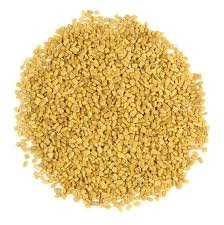
Foenegriek, commonly known in English as fenugreek, is a remarkable herb that has been used for centuries in cooking, traditional medicine, and agriculture. This plant is widely recognized for its distinctive aroma, slightly bitter taste, and numerous nutritional and medicinal properties. Originating from regions around the Mediterranean, South Asia, and parts of the Middle East, foenegriek has become an important ingredient in many cultural cuisines and herbal remedies. The plant produces small golden-brown seeds and green leaves, both of which are used in different culinary and health applications. Over time, the popularity of foenegriek has expanded globally as more people discover its potential benefits for digestion, metabolism, and overall wellness. Traditional healing systems such as Ayurveda and herbal medicine have long valued foenegriek for its ability to support the body’s natural balance. In addition to its medicinal uses, the herb also plays a significant role in cooking, where it adds depth of flavor to dishes and spice blends. Today, foenegriek is available in many forms including whole seeds, ground powder, capsules, teas, and extracts. This article explores the origins of foenegriek, its nutritional value, health benefits, culinary uses, and the growing interest in this ancient herb within modern wellness culture.
The History and Origins of Foenegriek
The history of foenegriek dates back thousands of years, making it one of the oldest cultivated herbs known to humanity. Archaeological evidence suggests that the plant was used in ancient civilizations such as Egypt, Greece, and Rome. In ancient Egypt, foenegriek seeds were sometimes used in embalming practices and were also consumed as part of herbal remedies. Historical records indicate that Egyptian healers believed the plant had properties that could support digestion and improve general health. The herb later spread across the Mediterranean region where Greek and Roman physicians began studying its potential medicinal applications. The name fenugreek itself comes from Latin words that translate roughly to “Greek hay,” reflecting the plant’s early use as animal fodder as well as human food. As trade routes expanded between Asia, Europe, and the Middle East, foenegriek seeds traveled with merchants and explorers. In India and surrounding regions, the herb became deeply integrated into culinary traditions and Ayurvedic medicine. Indian cooks often used the seeds in spice mixtures, while herbal practitioners valued the plant for its warming and nourishing qualities. Over centuries, the cultivation of foenegriek spread across many parts of the world, including North Africa and Southeast Asia. Today, the herb continues to be grown in various climates, demonstrating its adaptability and lasting significance in agriculture and herbal medicine.
Botanical Characteristics of the Foenegriek Plant
Foenegriek belongs to the legume family, which includes plants such as beans, lentils, and peas. The scientific name of the plant is Trigonella foenum-graecum, and it is an annual herb that typically grows to a height of about two to three feet. The plant features slender stems, small white or pale yellow flowers, and long pods that contain the seeds. These pods usually hold between ten and twenty small seeds, each with a distinctive rectangular shape and a strong aroma. The leaves of the foenegriek plant are also edible and resemble clover leaves in appearance. In many regions, the leaves are harvested and used as a vegetable or herb in cooking. The plant thrives in warm climates with well-drained soil and moderate sunlight. Farmers often cultivate foenegriek not only for its seeds but also for its ability to improve soil quality. Like many legumes, the plant has the ability to fix nitrogen in the soil, which helps maintain soil fertility and supports sustainable agricultural practices. This characteristic makes foenegriek beneficial for crop rotation systems where farmers aim to maintain healthy soil conditions over time.
Nutritional Value of Foenegriek
One of the reasons foenegriek has gained attention in modern health discussions is its impressive nutritional profile. The seeds contain a variety of essential nutrients that contribute to overall wellness. They are rich in dietary fiber, which plays a key role in supporting digestion and maintaining a healthy gut. Fiber helps regulate bowel movements and may also contribute to stable blood sugar levels by slowing the absorption of carbohydrates in the digestive system. Foenegriek seeds also contain significant amounts of protein, making them a valuable plant-based source of nutrients for individuals who follow vegetarian or vegan diets. In addition to protein and fiber, the seeds provide vitamins and minerals such as iron, magnesium, manganese, and vitamin B6. These nutrients support various bodily functions including energy production, muscle health, and the formation of red blood cells. Another important component found in foenegriek seeds is a group of compounds known as saponins and flavonoids. These natural plant chemicals are believed to contribute to many of the herb’s potential health benefits. Because of this combination of nutrients and plant compounds, foenegriek has attracted interest from researchers studying natural ways to support wellness through diet.
Traditional Medicinal Uses of Foenegriek
For centuries, foenegriek has been used in traditional medicine systems across different cultures. In Ayurvedic medicine, the herb is often recommended to support digestion, improve appetite, and maintain balance within the body. Traditional practitioners sometimes prepared foenegriek as a tea or paste to help relieve digestive discomfort or bloating. In other cultures, the seeds were used as part of herbal remedies intended to support respiratory health and general vitality. The warming nature of the herb made it particularly popular during colder seasons or in climates where maintaining internal warmth was considered important for health. Some historical texts also mention the use of foenegriek in remedies designed to support lactation in nursing mothers. Although these traditional practices have been passed down through generations, modern scientific research continues to investigate the effectiveness of these uses. While some studies suggest that compounds in foenegriek may support certain aspects of health, it is important to approach herbal remedies with balanced expectations and to consult healthcare professionals when considering medicinal use.
Culinary Uses of Foenegriek Around the World
Foenegriek plays a major role in global cuisine, particularly in South Asian, Middle Eastern, and North African cooking. The seeds are often used as a spice, while the leaves can be used fresh or dried as an herb. In Indian cuisine, foenegriek seeds are commonly included in spice blends such as curry powders and garam masala. The seeds are usually lightly toasted before being ground, which enhances their flavor and reduces their natural bitterness. In addition to spice blends, the seeds are sometimes used in pickles, chutneys, and lentil dishes. The leaves of the plant, often referred to as “methi” in India, are used in various vegetable dishes and breads. Fresh foenegriek leaves have a slightly bitter yet aromatic flavor that adds depth to recipes. In Middle Eastern cooking, the seeds may be used in sauces and stews, while in Ethiopian cuisine they are sometimes included in spice mixtures used for traditional dishes. Foenegriek seeds are also used in some European breads and cheeses, contributing a distinctive taste and aroma. The versatility of this herb makes it a valuable ingredient in many culinary traditions.
Potential Health Benefits of Foenegriek
Modern interest in foenegriek has grown partly because of its potential health benefits. Researchers have studied the herb to explore how its natural compounds may influence various aspects of health. Some studies suggest that the fiber and plant chemicals found in foenegriek seeds may help support healthy blood sugar levels when included as part of a balanced diet. This has led to interest among individuals looking for natural ways to maintain metabolic balance. The herb has also been studied for its potential role in supporting heart health. Certain compounds in foenegriek may help maintain healthy cholesterol levels when combined with a nutritious lifestyle. Additionally, the high fiber content of the seeds may contribute to feelings of fullness, which could support weight management efforts. It is important to note that while these potential benefits are promising, foenegriek should not be viewed as a replacement for medical treatment. Instead, it can be considered a complementary ingredient that may contribute to overall wellness when used responsibly as part of a balanced diet.
Modern Interest in Foenegriek and Natural Wellness
In recent years, there has been a growing interest in natural health products and plant-based nutrition. Many people are exploring herbs and traditional ingredients as part of a broader effort to maintain wellness through diet and lifestyle choices. Foenegriek has gained popularity in this context because of its long history of use and its nutrient-rich composition. Health food stores and online markets now offer a variety of foenegriek products including capsules, powders, teas, and extracts. These products are often marketed as natural supplements designed to support digestion, energy, or metabolic balance. At the same time, nutrition experts emphasize the importance of using such supplements responsibly. Whole foods and balanced diets remain the foundation of good health, and herbal products should be used as complementary additions rather than primary solutions. As scientific research continues to explore the properties of plants like foenegriek, our understanding of their potential benefits and limitations will likely continue to evolve.
Conclusion
Foenegriek is an ancient herb with a rich history that spans thousands of years and multiple cultures. From its early use in ancient civilizations to its role in modern kitchens and wellness practices, the plant has remained an important part of human life. Its seeds and leaves offer a unique combination of flavor, nutrition, and potential health-supporting properties. The herb’s presence in traditional medicine, global cuisine, and modern health discussions demonstrates its versatility and enduring relevance. While research continues to explore the full range of benefits associated with foenegriek, it is clear that this plant holds a special place in both cultural traditions and contemporary wellness practices. By understanding its history, nutritional value, and culinary applications, individuals can appreciate the significance of foenegriek and consider how it might fit into a balanced and healthy lifestyle.
FAQs
What is foenegriek?
Foenegriek is the Dutch name for fenugreek, a herb known for its aromatic seeds and leaves that are widely used in cooking and traditional medicine.
Where does foenegriek originate from?
The plant originated in regions around the Mediterranean, South Asia, and the Middle East and has been cultivated for thousands of years.
How is foenegriek used in cooking?
Foenegriek seeds are used as a spice in curries, spice blends, and pickles, while the leaves can be cooked as a vegetable or used as an herb in various dishes.
What nutrients are found in foenegriek seeds?
The seeds contain fiber, protein, iron, magnesium, and various plant compounds that may support general health.
Can foenegriek be used for health purposes?
Traditionally it has been used to support digestion and overall wellness, but people should consult healthcare professionals before using it as a supplement.
Are foenegriek leaves edible?
Yes, the leaves are edible and are commonly used in many cuisines, particularly in South Asian cooking.