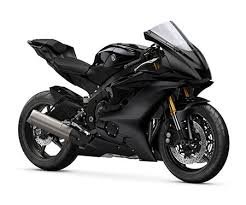

The Yamaha YZF-R6, commonly known as the Yamaha R6, stands as one of the most iconic supersport motorcycles ever created. Renowned for its aggressive design, high-revving engine, and race-inspired engineering, the R6 has captured the attention of riders and enthusiasts around the world. Since its introduction in 1999 by Yamaha Motor Company, the R6 has continuously evolved to meet the demands of performance-focused riders, blending cutting-edge technology with precision handling. This article explores the history, design, performance, and legacy of the Yamaha R6, offering a comprehensive look at why it remains a benchmark in the supersport category.
The Origins and Development of the Yamaha R6
The Yamaha R6 was first introduced as a response to the growing demand for lightweight, high-performance motorcycles that could dominate both the street and the racetrack. Yamaha aimed to create a machine that combined power with agility, resulting in a motorcycle that quickly gained popularity among riders seeking adrenaline and control. From its early days, the R6 was designed with racing DNA, featuring advanced aerodynamics and a compact engine layout that allowed for exceptional handling. Over the years, continuous updates and refinements have kept the R6 competitive, ensuring that it remains relevant in a rapidly evolving industry.
Engine Performance and Engineering Excellence
At the heart of the Yamaha YZF-R6 lies a high-revving inline-four engine that delivers impressive power and acceleration. Known for its ability to reach extremely high RPMs, the R6 offers a thrilling riding experience that few motorcycles in its class can match. Yamaha engineers have focused on optimizing the engine’s performance through advanced technologies such as ride-by-wire throttle systems, variable intake systems, and precise fuel injection. These innovations not only enhance power delivery but also improve efficiency and responsiveness, making the R6 a favorite among performance enthusiasts.
Design and Aerodynamics
The design of the Yamaha R6 reflects its racing heritage, with sharp lines, an aggressive stance, and aerodynamic bodywork that enhances both performance and aesthetics. Every element of the motorcycle, from the front fairing to the tail section, is crafted to reduce drag and improve stability at high speeds. The influence of Yamaha’s MotoGP machines is evident in the R6’s styling, giving it a track-ready appearance that appeals to riders who value both form and function. The compact design also contributes to improved maneuverability, allowing riders to navigate corners with precision and confidence.
Handling and Riding Dynamics
One of the standout features of the Yamaha YZF-R6 is its exceptional handling, which has been a defining characteristic since its inception. The lightweight chassis, combined with a finely tuned suspension system, provides excellent balance and control, making it ideal for both track use and spirited road riding. Riders often praise the R6 for its ability to maintain stability during aggressive cornering while remaining responsive to input. This level of control is achieved through a combination of advanced engineering and meticulous attention to detail, ensuring a riding experience that is both exhilarating and precise.
Technological Innovations
Over the years, Yamaha has incorporated a range of advanced technologies into the R6, enhancing its performance and safety. Features such as traction control, quick shifters, and selectable riding modes allow riders to customize their experience based on conditions and preferences. These technologies not only improve performance but also make the motorcycle more accessible to a wider range of riders. By integrating electronic systems with mechanical precision, Yamaha has created a motorcycle that offers both excitement and confidence on the road and track.
The R6 in Motorsport
The Yamaha R6 has a strong presence in motorsport, particularly in supersport racing categories where it has achieved significant success. Its combination of power, agility, and reliability makes it a popular choice among professional racers and amateur enthusiasts alike. The motorcycle’s performance on the track has contributed to its reputation as a race-ready machine, reinforcing its status as a benchmark in the supersport segment. The R6’s success in racing also influences its development, as lessons learned on the track are often applied to production models.
Market Impact and Popularity
Since its release, the Yamaha YZF-R6 has had a profound impact on the motorcycle market, setting new standards for performance and design. Its popularity extends across different regions, attracting riders who appreciate its blend of speed, style, and precision. The R6 has also played a role in shaping the supersport category, influencing the development of competing models and driving innovation within the industry. Its enduring appeal is a testament to Yamaha’s commitment to excellence and innovation.
Challenges and Discontinuation in Some Markets
Despite its success, the Yamaha R6 has faced challenges, particularly with changing emissions regulations and shifting market trends. In some regions, stricter environmental standards have led to the discontinuation of street-legal versions, although track-focused variants continue to be produced. This shift reflects broader changes in the motorcycle industry, where manufacturers must balance performance with sustainability. Nevertheless, the R6 remains a beloved model, with a strong following among enthusiasts who continue to celebrate its legacy.
The Future of Supersport Motorcycles
The story of the Yamaha YZF-R6 is closely tied to the future of supersport motorcycles as a whole. As technology advances and environmental concerns become more prominent, manufacturers are exploring new ways to maintain performance while reducing emissions. Electric motorcycles, hybrid technologies, and improved fuel efficiency are likely to shape the next generation of supersport machines. While the R6 represents a pinnacle of traditional engineering, its influence will continue to inspire future innovations.
FAQs
What is the Yamaha R6?
The Yamaha R6, officially known as the Yamaha YZF-R6, is a supersport motorcycle designed for high performance and track-oriented riding.
When was the Yamaha R6 first introduced?
It was first introduced in 1999 by Yamaha Motor Company.
Why is the Yamaha R6 so popular?
Its combination of high-revving engine performance, sharp handling, and race-inspired design makes it highly popular among riders.
Is the Yamaha R6 still in production?
It is no longer widely available as a street-legal model in some markets but continues as a track-focused motorcycle.
What makes the R6 different from other motorcycles?
Its lightweight design, advanced technology, and racing heritage set it apart from many other motorcycles in its class.
Conclusion
The Yamaha YZF-R6 remains a symbol of performance, innovation, and passion in the world of motorcycles. From its early days as a groundbreaking supersport machine to its continued influence on modern designs, the R6 has left an indelible mark on the industry. Its legacy is defined by its ability to deliver an unmatched riding experience, combining speed, precision, and style in a way that few motorcycles can replicate. As the industry evolves, the Yamaha R6 will always be remembered as one of the greatest supersport motorcycles ever built.