
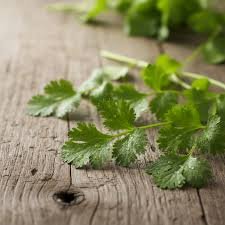
Koriandri, commonly known as coriander, is one of the most widely used herbs in the world. It has been valued for centuries for its unique flavor, medicinal properties, and versatility in cooking. From ancient civilizations to modern kitchens, koriandri has remained an essential ingredient in many cuisines, particularly in Asian, Middle Eastern, and Mediterranean dishes. The plant belongs to the parsley family and both its leaves and seeds are used for culinary and medicinal purposes. Fresh koriandri leaves are often used as a garnish or flavoring agent, while its seeds are used as a spice in many traditional recipes. Beyond its culinary uses, koriandri is also known for its health benefits, including improving digestion, supporting heart health, and providing essential nutrients. This article explores koriandri in detail, including its history, nutritional value, health benefits, uses, cultivation, and importance in global cuisine.
The History and Origin of Koriandri
Koriandri has a long and fascinating history that dates back thousands of years. Historical records show that coriander was used in ancient Egypt, Greece, and Rome, where it was valued not only as a food ingredient but also as a medicinal herb. Archaeological discoveries have found coriander seeds in ancient Egyptian tombs, indicating that the herb was considered valuable even in early civilizations. In ancient Greece, koriandri was used to flavor wines and as a component in herbal medicines. The Romans spread the herb across Europe, introducing it to many regions where it later became a staple ingredient in cooking. As trade routes expanded, koriandri traveled to Asia, Africa, and eventually the Americas, becoming a globally recognized herb. Over time, different cultures developed unique ways of using koriandri, incorporating it into spice blends, sauces, and traditional dishes.
Botanical Characteristics of Koriandri
Koriandri comes from the plant Coriandrum sativum, which is an annual herb that grows relatively quickly and thrives in moderate climates. The plant typically grows between one and two feet tall and produces delicate, feathery leaves along with small white or pale pink flowers. These flowers eventually develop into round seeds, which are harvested and used as a spice. The leaves of the plant are known for their bright green color and distinctive aroma, while the seeds have a warm, slightly citrusy flavor. Interestingly, the flavor of the leaves and seeds is quite different, which is why they are often used in different types of recipes. The plant grows best in well-drained soil with plenty of sunlight and moderate watering, making it suitable for both home gardens and large-scale agricultural production.
Nutritional Value of Koriandri
Koriandri is not only a flavorful herb but also a rich source of essential nutrients. The leaves contain vitamins such as vitamin A, vitamin C, and vitamin K, all of which play important roles in maintaining overall health. Vitamin A supports eye health, vitamin C helps strengthen the immune system, and vitamin K is important for blood clotting and bone health. In addition to vitamins, koriandri also contains minerals such as potassium, calcium, and magnesium. These minerals contribute to proper muscle function, heart health, and strong bones. The herb is also rich in antioxidants, which help protect the body from oxidative stress and cellular damage. Despite being used in small quantities in cooking, koriandri can still contribute valuable nutrients to a balanced diet.
Health Benefits of Koriandri
Koriandri has long been recognized in traditional medicine systems for its various health benefits. One of its most notable benefits is its ability to aid digestion. The compounds found in coriander can stimulate digestive enzymes and help relieve symptoms such as bloating and indigestion. Koriandri is also believed to support heart health by helping reduce cholesterol levels and regulating blood pressure. The antioxidants present in the herb help protect the body from inflammation and oxidative damage, which are associated with many chronic diseases. Additionally, koriandri may have antibacterial and antifungal properties, making it useful in protecting the body against certain infections. Some studies also suggest that coriander may help regulate blood sugar levels, making it beneficial for individuals managing diabetes.
Culinary Uses of Koriandri Around the World
Koriandri plays a major role in many cuisines across the globe. In South Asian cooking, fresh coriander leaves are often used to garnish curries, rice dishes, and salads. They add a fresh and vibrant flavor that enhances the taste of many meals. Coriander seeds, on the other hand, are commonly ground into spice blends such as curry powder and garam masala. In Middle Eastern cuisine, koriandri is used in soups, sauces, and meat dishes. Mexican cuisine also makes extensive use of fresh coriander leaves, often referred to as cilantro, in dishes like salsa, tacos, and guacamole. The herb’s versatility allows it to complement a wide range of ingredients, including vegetables, meats, seafood, and grains. Because of its distinctive flavor, koriandri can transform even simple dishes into flavorful culinary creations.
Growing Koriandri at Home
Growing koriandri at home is relatively easy and rewarding, even for beginner gardeners. The plant grows best in cool weather and requires well-drained soil with moderate moisture. Seeds can be planted directly in the soil or in containers, making koriandri suitable for both gardens and balconies. Once planted, the seeds usually germinate within one to two weeks. The plant requires regular watering but should not be overwatered, as excessive moisture can damage the roots. Harvesting the leaves can begin once the plant reaches a suitable height, and regular trimming encourages further growth. If allowed to mature, the plant will produce seeds that can be harvested and stored for use as a spice. Growing koriandri at home ensures a constant supply of fresh herbs and can also reduce the need for store-bought spices.
Medicinal and Traditional Uses
In addition to its culinary uses, koriandri has been widely used in traditional medicine systems such as Ayurveda and traditional Chinese medicine. The herb has been used to treat digestive problems, skin conditions, and respiratory issues. Coriander extracts are sometimes used in herbal remedies to reduce inflammation and improve overall well-being. The seeds are often brewed into herbal teas believed to support digestion and detoxification. Traditional medicine practitioners also use coriander for its cooling properties, which may help reduce internal heat and promote balance in the body. Although many of these traditional uses have been practiced for centuries, modern scientific research continues to explore the herb’s potential health benefits.
Economic and Agricultural Importance
Koriandri is an important agricultural crop in many parts of the world. Countries such as India, Morocco, Russia, and Mexico are among the leading producers of coriander. The herb is grown both for its fresh leaves and dried seeds, which are exported globally for culinary and industrial use. In the spice industry, coriander seeds are widely used in spice blends, seasonings, and processed foods. Because of its high demand and relatively easy cultivation, koriandri provides economic opportunities for farmers and contributes to the global spice trade. The herb’s popularity in international cuisine ensures that it remains an important crop for both local markets and global exports.
Environmental Benefits of Growing Koriandri
Koriandri can also play a beneficial role in sustainable agriculture and home gardening. The plant attracts beneficial insects such as pollinators and predatory insects that help control pests naturally. This reduces the need for chemical pesticides and supports a healthier ecosystem. Additionally, koriandri grows quickly and can be integrated into crop rotation systems, helping improve soil health and biodiversity. Because it requires relatively little space and resources, koriandri can be grown in urban gardens, community farms, and small agricultural plots, making it a valuable plant for sustainable food production.
Conclusion
Koriandri is much more than just a simple herb used for flavoring food. It has a rich history, significant nutritional value, and a wide range of health benefits. From ancient civilizations to modern kitchens, koriandri has remained an essential ingredient in many cultures around the world. Its ability to enhance the taste of dishes, support health, and contribute to sustainable agriculture makes it a truly remarkable plant. Whether used fresh as a garnish, ground into spice blends, or grown in home gardens, koriandri continues to play an important role in both culinary traditions and everyday diets. As awareness of natural foods and herbal remedies continues to grow, koriandri will likely remain a popular and valuable herb for generations to come.
FAQs
What is koriandri?
Koriandri is another name for coriander, an herb whose leaves and seeds are widely used in cooking and traditional medicine.
Is koriandri the same as cilantro?
Yes, in many regions the fresh leaves of the coriander plant are called cilantro, while the seeds are referred to as coriander.
What nutrients are found in koriandri?
Koriandri contains vitamins A, C, and K along with minerals like potassium, calcium, and magnesium.
Can koriandri improve digestion?
Yes, koriandri is known to support digestion by stimulating digestive enzymes and reducing bloating.
Is koriandri easy to grow at home?
Yes, koriandri grows easily in gardens or containers and requires moderate sunlight, water, and well-drained soil.
Why is koriandri used in many cuisines?
Koriandri is popular because of its fresh aroma, unique flavor, and ability to enhance a wide variety of dishes.