
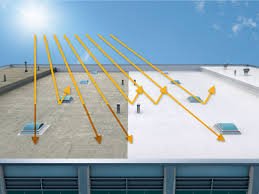

Cool roofs are becoming an increasingly popular solution for improving energy efficiency and reducing heat in buildings around the world. As global temperatures continue to rise and cities experience stronger heat waves, the need for better building materials has become more important than ever. Traditional roofing materials often absorb large amounts of heat from the sun, causing buildings to become hotter and forcing air-conditioning systems to work harder. This increased energy use leads to higher electricity bills and contributes to environmental problems such as increased carbon emissions. Cool roofs are designed to reflect more sunlight and absorb less heat than standard roofing materials. By reflecting solar radiation and releasing absorbed heat more efficiently, these roofs help maintain lower surface temperatures and keep buildings cooler. This technology not only improves indoor comfort but also reduces energy consumption, making it an environmentally friendly and cost-effective option for homes, offices, and commercial buildings. As urban areas grow and climate concerns increase, cool roofs are becoming an important part of sustainable building design and energy management strategies.
What Are Cool Roofs and How Do They Work
Cool roofs are specially designed roofing systems that reflect more sunlight and absorb less heat than conventional roofs. The key concept behind cool roofs lies in two important properties known as solar reflectance and thermal emittance. Solar reflectance refers to the ability of a roof surface to reflect sunlight away from the building, while thermal emittance describes the ability of the roof to release any absorbed heat back into the atmosphere. Traditional roofs, especially those made with dark materials such as asphalt, tend to absorb a significant amount of solar energy during the day. This absorbed heat transfers into the building and increases indoor temperatures. Cool roofs, on the other hand, use reflective materials, special coatings, or light-colored surfaces that prevent excessive heat absorption. By reducing the amount of heat that enters a building, cool roofs help maintain comfortable indoor temperatures even during hot weather. This results in lower demand for air-conditioning systems, which saves energy and reduces electricity costs. The effectiveness of cool roofs has made them a popular choice for energy-efficient buildings and environmentally conscious construction projects.
Benefits of Installing Cool Roofs
One of the most important benefits of cool roofs is their ability to reduce energy consumption. When a building absorbs less heat from the sun, the need for air conditioning decreases significantly. This leads to lower electricity bills and reduced strain on energy systems, especially during hot summer months when demand for cooling is highest. Cool roofs also improve indoor comfort by maintaining more stable temperatures inside buildings. In areas with hot climates, this can make a significant difference in living and working conditions. Another major advantage of cool roofs is their positive environmental impact. By reducing energy consumption, these roofs help decrease greenhouse gas emissions produced by power plants. Cool roofs also play a role in reducing the urban heat island effect, a phenomenon where cities become significantly warmer than surrounding rural areas due to heat-absorbing surfaces such as asphalt roads and traditional roofs. By reflecting sunlight instead of absorbing it, cool roofs help lower overall city temperatures and create more comfortable urban environments.
Types of Cool Roof Materials
There are several types of materials used to create cool roofs, and each option offers different advantages depending on the type of building and climate conditions. One common type is reflective roof coatings, which can be applied to existing roofs to improve their reflectivity. These coatings are often made from white or light-colored materials that reflect sunlight effectively. Another popular option is single-ply membranes, which are commonly used on commercial buildings with flat roofs. These membranes are designed to be highly reflective and durable while providing waterproof protection. Metal roofing is also considered an effective cool roof option because metal surfaces can be coated with reflective paints or finishes that reduce heat absorption. Additionally, specially designed cool roof shingles and tiles are available for residential buildings. These products combine traditional roofing aesthetics with modern reflective technology, allowing homeowners to benefit from energy efficiency without changing the appearance of their homes. The wide range of cool roof materials makes it possible for building owners to choose the most suitable option for their specific needs and architectural style.
Cool Roofs and Energy Efficiency
Energy efficiency is one of the primary reasons why cool roofs have gained popularity in modern construction. Buildings consume a large portion of global energy, particularly for heating and cooling systems. By reducing the amount of heat entering a building, cool roofs help minimize the energy required to maintain comfortable indoor temperatures. Studies have shown that buildings with cool roofs can experience significant reductions in cooling energy demand during hot weather. This improvement in efficiency not only lowers electricity bills but also extends the lifespan of cooling equipment by reducing the amount of work required from air-conditioning systems. In commercial buildings with large roof surfaces, the impact of cool roofs can be especially noticeable because the reflective materials cover a large area that would otherwise absorb heat. Over time, the energy savings from cool roofs can offset the initial installation cost, making them a financially beneficial investment.
Environmental Impact of Cool Roof Technology
Cool roofs contribute to environmental protection in several important ways. One of the most significant benefits is the reduction of greenhouse gas emissions associated with electricity generation. When buildings require less energy for cooling, power plants produce fewer emissions, which helps reduce the overall carbon footprint of cities and communities. Cool roofs also help mitigate the urban heat island effect, which occurs when dense urban areas become warmer than surrounding rural regions. This temperature difference is caused by heat-absorbing surfaces such as dark roofs, concrete, and asphalt. By reflecting sunlight and releasing heat more efficiently, cool roofs help lower surface temperatures and reduce the overall heat buildup in cities. This can lead to improved air quality and more comfortable outdoor environments for residents. Additionally, cooler urban temperatures may reduce the formation of smog, which tends to increase in hot conditions.
Maintenance and Durability of Cool Roofs
Maintaining a cool roof is relatively simple, but regular care is important to ensure long-term performance. Over time, dust, dirt, and debris can accumulate on the roof surface and reduce its reflective properties. Periodic cleaning can help maintain the roof’s ability to reflect sunlight effectively. In most cases, cool roofs are designed to be durable and resistant to weather conditions such as rain, wind, and ultraviolet radiation. Many modern cool roofing materials are engineered to last for many years while maintaining their reflective qualities. Regular inspections can help identify any damage or wear that may affect the roof’s performance. When properly maintained, cool roofs can provide long-term benefits in terms of energy savings, comfort, and environmental impact.
Future Trends in Cool Roofing Technology
As technology continues to advance, cool roofing systems are expected to become even more efficient and widely used. Researchers and manufacturers are constantly developing new materials that improve reflectivity and durability while maintaining attractive designs. Innovations such as advanced coatings, improved insulation systems, and integrated solar technologies are helping transform roofs into multifunctional components of modern buildings. Some new roofing systems combine reflective materials with solar panels, allowing buildings to both reduce heat absorption and generate renewable energy. These advancements represent an important step toward sustainable construction practices that prioritize energy efficiency and environmental responsibility. As awareness of climate change and energy conservation grows, cool roofs are likely to become a standard feature in many new buildings and renovation projects.
Conclusion
Cool roofs represent a practical and effective solution for improving energy efficiency, reducing environmental impact, and enhancing indoor comfort. By reflecting more sunlight and absorbing less heat, these roofing systems help lower building temperatures and reduce the demand for air conditioning. This leads to significant energy savings, lower electricity costs, and reduced greenhouse gas emissions. In addition to their environmental benefits, cool roofs contribute to healthier and more comfortable living conditions in urban areas by helping reduce the urban heat island effect. With various materials and technologies available, cool roofs can be adapted to many different types of buildings and climates. As the world continues to seek sustainable solutions for energy management and climate challenges, cool roofs are likely to play an increasingly important role in modern construction and urban development.
FAQs
What is a cool roof?
A cool roof is a roofing system designed to reflect more sunlight and absorb less heat than traditional roofs, helping keep buildings cooler and more energy efficient.
Do cool roofs reduce electricity bills?
Yes, cool roofs reduce the amount of heat entering a building, which lowers the need for air conditioning and can significantly reduce electricity costs.
Are cool roofs suitable for all climates?
Cool roofs are especially beneficial in warm and sunny climates, but they can also provide advantages in other regions depending on building design and insulation.
How long do cool roofs last?
The lifespan of a cool roof depends on the materials used, but many cool roofing systems are designed to last 15 to 30 years with proper maintenance.
Can existing roofs be converted into cool roofs?
Yes, in many cases existing roofs can be upgraded by applying reflective coatings or installing new reflective materials to improve energy efficiency.