
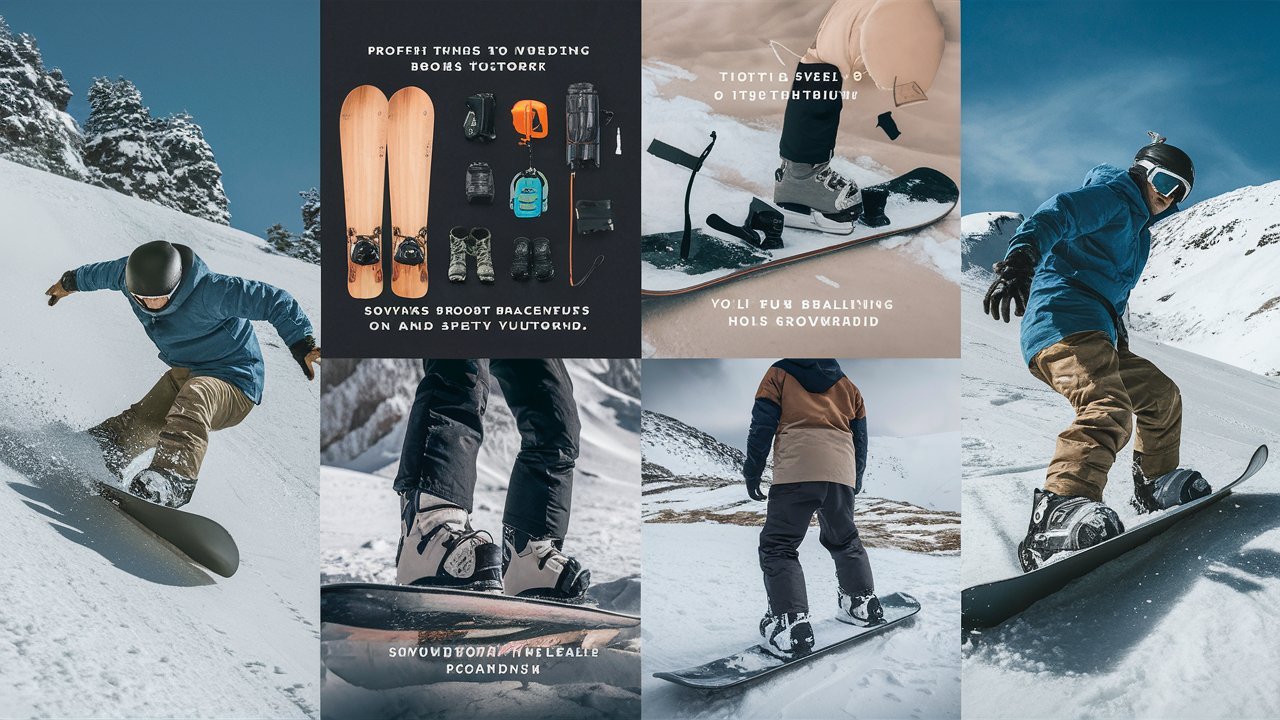
Learning a new winter sport can feel challenging when you do not know where to start. Many beginners struggle with balance, equipment choices, and basic techniques before they enjoy their first successful ride. Learning how to snowboard becomes easier with the right approach, proper gear, and step-by-step practice. This guide explains everything from choosing a snowboard size to carving, waxing, bindings, safety, and improving your riding skills.
What Is Snowboarding and How Does It Work?
Short Answer:
Snowboarding is a winter sport where riders use a single board attached to their feet to move across snow-covered slopes.
Unlike skiing, snowboarding uses one board instead of two skis. Riders control movement through:
- Body balance
- Weight shifting
- Edge control
- Foot pressure
- Turning techniques
Snowboarding combines athletic ability, coordination, and confidence. Beginners usually start on gentle slopes before moving to more advanced terrain.
How to Snowboard for Beginners: First Steps
Short Answer:
Beginners should learn balance, stopping, and basic turns before attempting advanced techniques.
The first learning stages include:
1. Learn Your Stance
Snowboarders usually ride in one of two positions:
- Regular stance: Left foot forward
- Goofy stance: Right foot forward
Your comfortable stance depends on natural balance.
2. Practice Balance
Start by:
- Standing sideways on the board
- Keeping knees slightly bent
- Looking toward your direction of travel
- Relaxing your upper body
3. Learn Basic Movement
Practice:
- Sliding slowly
- Stopping safely
- Controlling speed
- Making simple turns
These foundations make future skills easier.
What Equipment Do You Need to Start Snowboarding?
Short Answer:
Beginners need a properly sized snowboard, boots, bindings, and protective gear.
Snowboarding Equipment Table
| Equipment | Purpose |
|---|---|
| Snowboard | Main riding surface |
| Boots | Provide support and control |
| Bindings | Connect boots to board |
| Helmet | Protects your head |
| Goggles | Improves visibility |
| Gloves | Protect hands from cold |
| Snow jacket | Provides warmth |
Quality equipment improves comfort and learning speed.
How to Choose Snowboard Size?
Short Answer:
Choose snowboard size based on your height, weight, riding style, and ability level.
Many beginners ask:
How to choose snowboard size?
A snowboard should match your body measurements.
Snowboard Size Guide
| Rider Weight | Approximate Board Length |
|---|---|
| 100–130 lbs | 135–145 cm |
| 130–160 lbs | 145–152 cm |
| 160–190 lbs | 152–160 cm |
| 190+ lbs | 160+ cm |
Weight often matters more than height because it affects board control.
How to Measure Snowboard Size Correctly?
Short Answer:
Measure snowboard size by checking rider weight, height, boot size, and riding goals.
When learning how to measure snowboard size, consider:
- Body weight
- Height
- Boot length
- Skill level
- Snow conditions
Beginners often benefit from a slightly easier board that provides better control.
A shorter board can feel easier for learning, while longer boards provide stability at higher speeds.
How to Learn Snowboarding Turns and Control
Short Answer:
Snowboard turns come from controlling your edges and shifting body weight.
Basic turning steps:
- Bend your knees.
- Shift weight gently.
- Look where you want to go.
- Allow the board to follow your movement.
Avoid forcing turns with only your upper body. Good riders use their whole body together.
How to Carve on a Snowboard Technique?
Short Answer:
Carving means creating clean turns by using the snowboard edges instead of sliding sideways.
Many riders search:
How to carve on a snowboard technique?
Effective carving requires:
- Strong balance
- Edge pressure
- Proper body position
- Controlled speed
Snowboard Carving Steps
- Start with a comfortable speed.
- Lean slightly into the turn.
- Apply pressure to your edge.
- Keep your body aligned.
- Complete the turn smoothly.
Carving improves control and creates cleaner riding.
How to Do Snowboarding Jumps Safely?
Short Answer:
Snowboard jumps require control, timing, and proper landing technique.
When learning:
Snowboard how to jump
Follow these steps:
- Start with small jumps.
- Keep knees flexible.
- Stay balanced during takeoff.
- Land with bent knees.
- Practice on beginner terrain.
Never attempt large jumps before mastering basic control.
How to Wax a Snowboard?
Short Answer:
Waxing a snowboard improves speed, smoothness, and board performance.
Many beginners ask:
How to wax snowboard properly?
Snowboard Waxing Steps
- Clean the board base.
- Melt snowboard wax.
- Spread wax evenly.
- Let it cool.
- Scrape excess wax.
- Brush the base.
Regular waxing helps protect the snowboard base.
How Often Should You Wax a Snowboard?
Short Answer:
Wax frequency depends on how often you ride and snow conditions.
You may need waxing:
- Every few riding days
- Before major trips
- When the base looks dry
Signs your board needs wax:
- Slow movement
- Dry-looking base
- Reduced glide
Proper maintenance improves the riding experience.
How to Mount Snowboard Bindings?
Short Answer:
Mount snowboard bindings by positioning them correctly according to stance, angles, and riding style.
Many beginners search:
How to install bindings snowboard?
Basic steps:
- Choose stance direction.
- Set binding angles.
- Place bindings on mounting holes.
- Tighten screws securely.
- Test boot fit.
Incorrect setup can affect comfort and control.
How to Attach Snowboard Bindings Correctly?
Short Answer:
Attach snowboard bindings by securing them tightly while maintaining comfortable positioning.
Check:
- Binding alignment
- Screw tightness
- Boot placement
- Strap adjustment
Professional setup can help beginners avoid common mistakes.
How to Stay Hydrated While Snowboarding?
Short Answer:
Staying hydrated improves energy, focus, and performance during snowboarding sessions.
Cold weather can hide dehydration because people may not feel thirsty.
Helpful tips:
- Drink water regularly.
- Carry a hydration pack.
- Eat energy-rich snacks.
- Take breaks.
- Avoid riding while exhausted.
Good preparation improves safety on the mountain.
How to Prepare for Your First Snowboarding Trip?
Short Answer:
Preparation helps beginners enjoy snowboarding with fewer problems.
Before your trip:
- Check weather conditions.
- Wear proper clothing.
- Pack safety equipment.
- Practice fitness exercises.
- Learn mountain rules.
Useful preparation exercises:
- Squats
- Balance training
- Core workouts
- Leg strengthening
Snowboard Safety Tips Every Beginner Should Know
Short Answer:
Safety habits reduce injuries and improve confidence.
Follow these rules:
- Wear a helmet.
- Learn falling techniques.
- Follow slope signs.
- Respect other riders.
- Stay within your ability level.
Organizations such as National Ski Areas Association promote mountain safety awareness.
How to Ship a Snowboard Safely?
Short Answer:
Ship a snowboard by protecting the board, bindings, and accessories with proper packaging.
Steps:
- Remove loose accessories.
- Wrap the snowboard.
- Use a strong box.
- Add padding.
- Label the package clearly.
Proper packaging prevents damage during transportation.
Common Beginner Snowboarding Mistakes
Short Answer:
Beginners improve faster when they avoid common learning mistakes.
Avoid:
- Standing too stiff
- Looking down constantly
- Using only upper body movement
- Choosing the wrong board size
- Skipping protective gear
Relaxed movement helps develop better control.
Complete Snowboarding Learning Roadmap
| Skill Level | Goal |
|---|---|
| Beginner | Balance and stopping |
| Early Intermediate | Linking turns |
| Intermediate | Carving techniques |
| Advanced | Jumps and tricks |
| Expert | Complex terrain riding |
Progress takes time, practice, and patience.
Frequently Asked Questions About How to Snowboard
How long does it take to learn snowboarding?
Answer:
Most beginners learn basic control within a few days of practice, but improving technique requires regular riding.
How to snowboard for beginners?
Answer:
Beginners should start with balance, stopping, simple turns, and proper equipment before learning advanced skills.
How do you carve on a snowboard?
Answer:
Carving requires using snowboard edges, shifting weight correctly, and maintaining body control during turns.
How do I choose snowboard size?
Answer:
Choose snowboard size based on weight, height, boot size, skill level, and riding style.
How often should I wax my snowboard?
Answer:
Wax your snowboard regularly depending on riding frequency and snow conditions.
How do I install snowboard bindings?
Answer:
Install bindings by selecting your stance, setting angles, securing screws, and adjusting straps properly.
Expert Snowboarding Improvement Tips
Experienced riders recommend:
- Practice basic skills repeatedly.
- Focus on balance before speed.
- Maintain equipment regularly.
- Learn proper body movement.
- Ride with experienced snowboarders.
Small improvements create better confidence over time.
Conclusion
Learning how to snowboard becomes easier when you build strong basics, choose the right equipment, and practice consistently. From selecting snowboard size to learning carving techniques, each skill improves your control and confidence.
Start with simple movements, respect safety rules, and enjoy the learning process. Snowboarding rewards patience, practice, and a willingness to improve.
Read Also: Beverage Testing Institute Best Vodkas: Top Picks Guide