
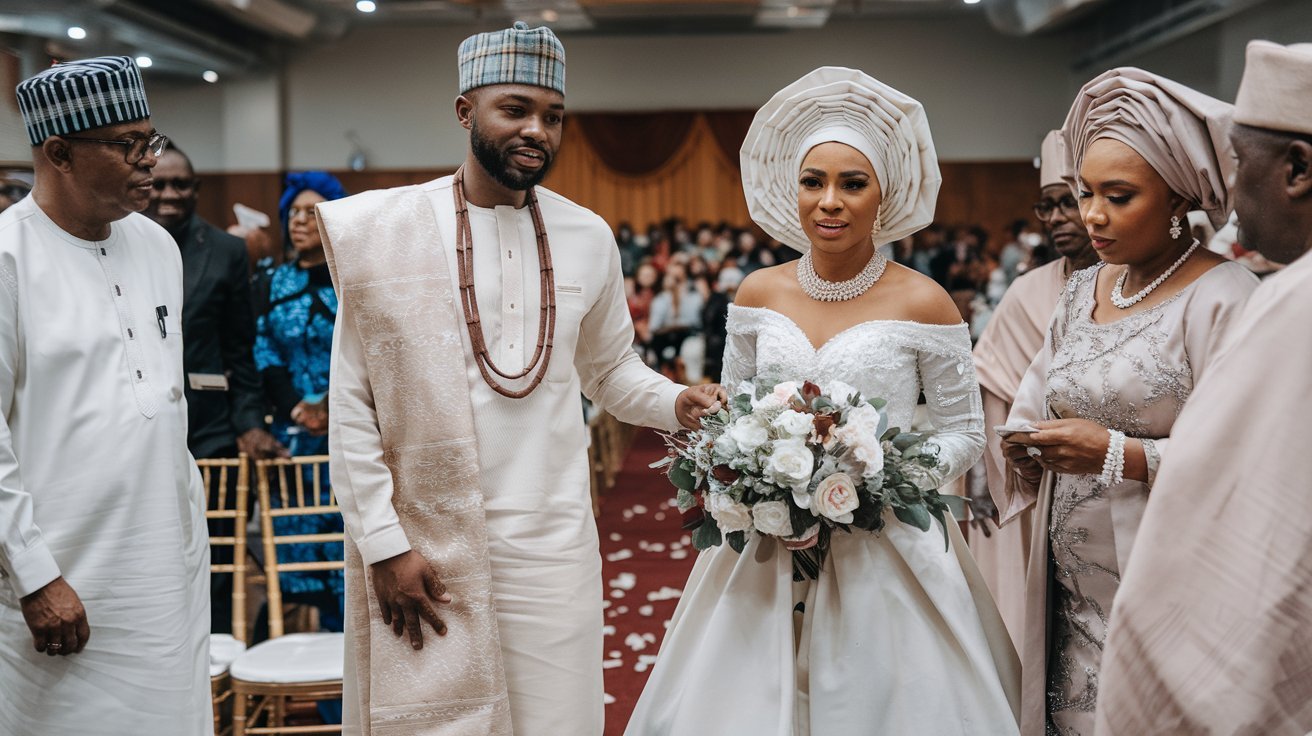
Nupe Culture: History, People, Traditions, Language, and Heritage Explained
Many people search for Nupe because they want to understand one of Nigeria’s historic ethnic groups, its homeland, traditions, and cultural identity. The Nupe people have a rich history connected to ancient kingdoms, artistic achievements, traditional leadership, and the development of communities along the Niger River.
This guide explains where the Nupe people live, their history, language, customs, leadership systems, and cultural contributions. It provides a clear overview for anyone interested in Nigerian ethnic groups and African heritage.
Complete Nupe Culture Overview Table
| Category | Details |
|---|---|
| Ethnic Group | Nupe people |
| Country | Nigeria |
| Main Region | Niger State and surrounding areas |
| Traditional Homeland | Nupe Kingdom |
| Major City | Bida |
| Language | Nupe language |
| Language Family | Nupoid branch of Niger-Congo languages |
| Traditional Leadership | Etsu Nupe |
| Famous Cultural Areas | Bida, Lapai, Agaie, Mokwa |
| Major Occupations | Farming, crafts, trading, fishing |
| Known Arts | Glassmaking, pottery, metalwork, weaving |
| Religion History | Indigenous beliefs, Islam, Christianity |
| Cultural Identity | History, festivals, language, craftsmanship |
Where Is Nupe Located?
The question “Where is Nupe?” is one of the most common searches about this cultural group.
The Nupe homeland is located mainly in central Nigeria, especially around the Niger River basin. Most Nupe communities are found in:
- Niger State
- Kwara State
- Kogi State
- Federal Capital Territory areas
The historic center of Nupe culture is closely connected with Bida, a city known for traditional crafts, leadership, and cultural activities.
The location of Nupe communities near major rivers influenced their lifestyle, economy, and traditions. Agriculture, fishing, and trade developed strongly because of the region’s natural environment.
Who Are the Nupe People?
The Nupe people are an ethnic group from Nigeria with a long history of organized societies, kingdoms, and cultural traditions.
People often ask, “Who is a Nupe man?”
A Nupe man traditionally refers to a male member of the Nupe ethnic community who shares connections through:
- Nupe ancestry
- Nupe language
- Cultural traditions
- Community values
- Historical identity
However, being Nupe is not only about family background. It also includes participation in cultural practices, respect for traditions, and connection with the community.
Nupe identity continues to develop while maintaining strong links to historical customs.
History of the Nupe Kingdom
The history of the Nupe Kingdom is one of the most important parts of Nigerian cultural history.
The Nupe developed organized political structures before modern Nigeria existed. Traditional rulers, known as Etsu Nupe, played important roles in administration, diplomacy, and community leadership.
The kingdom became influential because of:
- Strategic location near trade routes
- Skilled artisans
- Agricultural production
- River-based commerce
The Nupe Kingdom interacted with neighboring groups, including Hausa, Yoruba, Gwari, and other communities in central Nigeria.
Historical studies connect Nupe civilization with important political developments in the region.
Primary historical references include works from institutions such as:
- National Commission for Museums and Monuments Nigeria
- UNESCO
Where Was the First Nupe Headquarters Located?
Many people ask, “Where was the first Nupe headquarters located?”
Historical discussions about early Nupe political centers connect the kingdom with settlements around the Niger River area before Bida became the modern traditional center.
Bida later became one of the most important headquarters of Nupe traditional authority.
The city developed as a major cultural center because of:
- Traditional leadership
- Craft industries
- Political importance
- Economic activities
Today, Bida remains strongly associated with Nupe identity and heritage.
What Is Nupe Culture?
The question “What is Nupe culture?” covers the traditions, beliefs, language, arts, and social values of the Nupe people.
Nupe culture includes:
- Traditional ceremonies
- Family systems
- Music and dance
- Artistic skills
- Clothing styles
- Food traditions
- Community celebrations
Culture connects generations by preserving knowledge passed from elders to younger members.
Nupe traditions continue through families, festivals, education, and community activities.
Nupe Language and Communication Heritage
The Nupe language is an important part of cultural identity.
It belongs to the Nupoid group within the Niger-Congo language family.
Language helps preserve:
- Historical stories
- Traditional expressions
- Proverbs
- Songs
- Community knowledge
Many Nupe speakers also communicate in widely used Nigerian languages such as Hausa and English because of regional interaction.
Protecting indigenous languages helps maintain cultural diversity.
Traditional Nupe Leadership and Etsu Nupe
Traditional leadership remains an important part of Nupe society.
The title Etsu Nupe represents the traditional ruler of the Nupe people.
Leadership responsibilities historically included:
- Maintaining community order
- Supporting cultural traditions
- Representing the people
- Guiding social development
Traditional institutions continue to play cultural roles alongside Nigeria’s modern government structures.
The Etsu Nupe remains a respected figure connected with Nupe heritage and identity.
Nupe Arts, Crafts, and Traditional Skills
The Nupe people are widely recognized for their artistic achievements.
Important traditional crafts include:
Glassmaking
Nupe artisans have a long tradition of producing decorative glass items.
Metalwork
Craft workers create:
- Tools
- Decorative objects
- Traditional items
Pottery
Pottery reflects practical skills and artistic creativity.
Weaving
Traditional textiles show cultural designs and craftsmanship.
These artistic traditions contribute to Nigeria’s cultural heritage and attract interest from researchers and visitors.
Nupe Festivals and Cultural Celebrations
Festivals help communities preserve history and strengthen relationships.
Nupe celebrations often include:
- Traditional music
- Dancing
- Cultural displays
- Community gatherings
- Royal ceremonies
Festivals create opportunities for younger generations to learn about their heritage.
They also allow communities to share cultural practices with visitors.
Nupe Religion and Belief Systems
Historically, Nupe communities practiced indigenous religious traditions connected with ancestors, nature, and spiritual beliefs.
Over time, Islam became widely practiced among many Nupe communities, while Christianity is also present.
Today, religious diversity exists among Nupe people.
Cultural traditions often continue alongside different religious practices, showing how communities adapt while preserving identity.
Nupe Economy and Traditional Lifestyle
Traditional Nupe life developed around farming, trade, fishing, and craftsmanship.
Common economic activities include:
- Agriculture
- Fishing
- Trading
- Animal farming
- Handcraft production
The Niger River played an important role in transportation and economic development.
Agricultural activities remain important in many Nupe communities today.
Nupe Contributions to Nigerian Heritage
The Nupe people have contributed greatly to Nigeria’s cultural landscape.
Their contributions include:
- Traditional art
- Historical leadership systems
- Language preservation
- Craft industries
- Cultural knowledge
Nupe heritage represents the diversity of Nigeria’s many ethnic communities.
Understanding these contributions helps preserve African history and identity.
Frequently Asked Questions About Nupe
Where is Nupe located?
Short Answer: Nupe is located mainly in central Nigeria, especially Niger State, Kwara State, Kogi State, and nearby areas.
The historic Nupe homeland developed around the Niger River region, with Bida becoming an important cultural center.
Who is a Nupe man?
Short Answer: A Nupe man is a male member of the Nupe ethnic community connected through ancestry, language, and cultural traditions.
Nupe identity includes shared history, values, and participation in community life.
Where was the first Nupe headquarters located?
Short Answer: Early Nupe political centers developed around the Niger River region, while Bida later became a major traditional headquarters.
Bida remains an important center of Nupe cultural leadership.
What is Nupe culture?
Short Answer: Nupe culture includes the traditions, language, arts, festivals, beliefs, and social practices of the Nupe people.
It represents generations of history and community knowledge.
What language do Nupe people speak?
Short Answer: Nupe people traditionally speak the Nupe language, which belongs to the Niger-Congo language family.
Many speakers also use English and other Nigerian languages.
What are Nupe people known for?
Short Answer: Nupe people are known for their history, traditional leadership, craftsmanship, arts, and cultural heritage.
Their glassmaking, pottery, and metalwork are especially recognized.
Final Thoughts on Nupe Heritage and Identity
The story of Nupe represents a powerful example of Nigeria’s cultural diversity and historical depth. From the ancient Nupe Kingdom to modern communities, the people have preserved traditions through language, art, leadership, and shared values.
Learning about Nupe culture helps people understand the importance of protecting indigenous heritage. The traditions, skills, and history of the Nupe people continue to influence Nigeria’s cultural identity today.
Exploring different cultures creates greater respect for the communities that shape our world. Nupe heritage remains an important part of Africa’s historical and cultural story.
Read Also: WGRV News Guide: Local Updates, Alerts & Greeneville News