
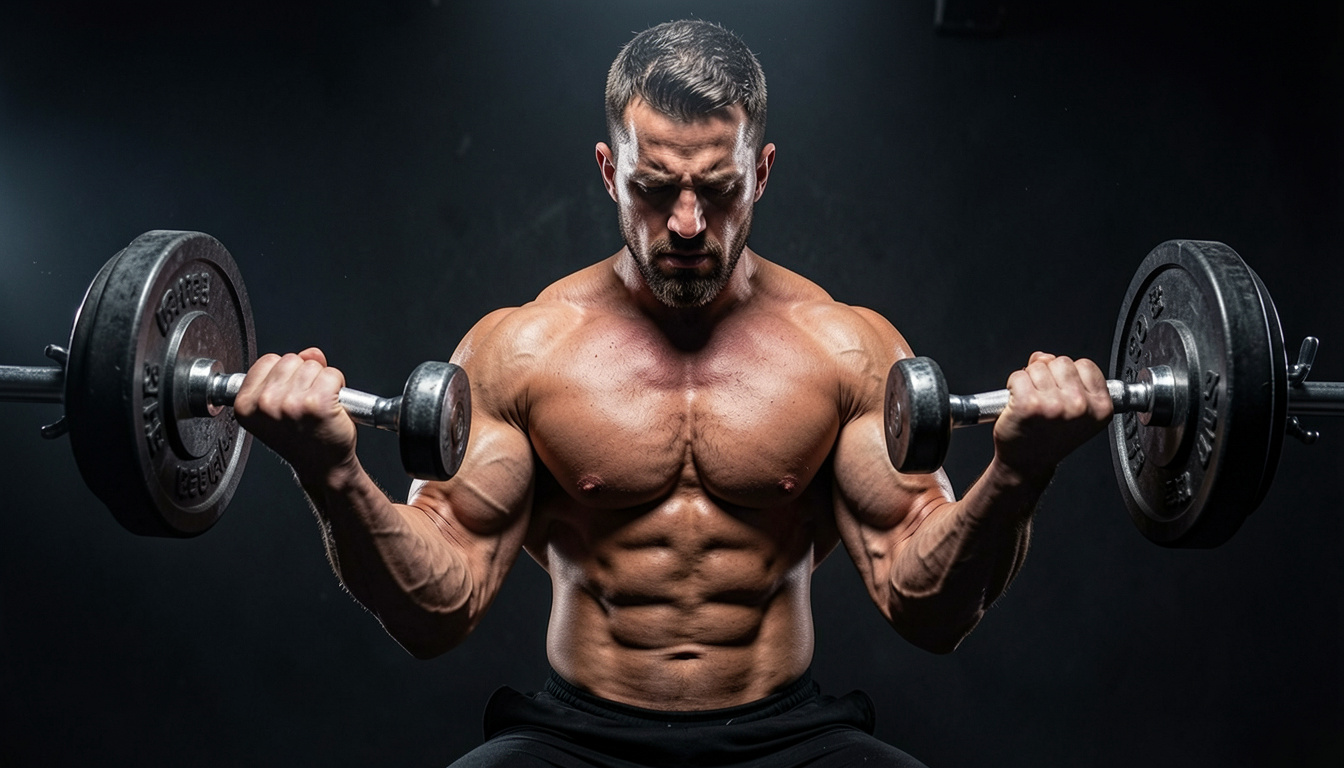
Hammer Curls: The Complete Guide for Bigger and Stronger Arms
Building impressive arms requires more than just regular curls. Many lifters focus only on the biceps, but developing complete arm strength also requires training the brachialis, forearms, and grip muscles. This is where hammer curls become an important exercise for anyone looking to improve arm size and strength.
Unlike traditional biceps curls that use a supinated grip with your palms facing upward, hammer curls use a neutral grip where your palms face each other. This small adjustment changes how your muscles work and creates a different training stimulus.
Whether you are a beginner learning basic strength exercises or an experienced lifter trying to improve arm development, hammer curls offer a simple but effective movement that can fit into almost any workout routine.
This guide explains the benefits of hammer curls, proper technique, muscles worked, common mistakes, variations, programming tips, and how to get better results from every repetition.
What Are Hammer Curls and How Do They Work?
Hammer curls are a dumbbell exercise designed to strengthen the muscles in your upper arms and forearms. The movement looks similar to a regular dumbbell curl, but the main difference is the hand position.
During a hammer curl, you hold the dumbbells with a neutral grip. Your palms face inward toward your body throughout the movement, similar to holding a hammer. This position reduces the focus on the biceps slightly and increases involvement from other muscles.
The main muscles involved include:
- Biceps brachii
- Brachialis
- Brachioradialis
- Forearm muscles
- Grip muscles
The brachialis sits underneath the biceps and plays an important role in making your arms appear thicker. When this muscle grows, it pushes the biceps upward and contributes to a fuller arm appearance.
Hammer curls are popular because they combine muscle growth with functional strength. They improve your ability to perform pulling movements while developing stronger arms.
Benefits of Hammer Curls for Muscle Growth
Adding hammer curls to your training routine can provide several advantages. This exercise is simple, but its impact on arm development makes it valuable for many different fitness goals.
Builds Bigger Arms
One of the biggest reasons people perform hammer curls is arm size. Many athletes focus only on the biceps, but balanced development requires attention to supporting muscles.
The brachialis and brachioradialis contribute significantly to overall arm thickness. Training these areas creates a more complete look instead of only improving the front of the arm.
Improves Grip Strength
Hammer curls naturally train your grip because you must hold the dumbbells throughout each repetition.
Stronger grip strength can improve performance in other exercises, including:
- Deadlifts
- Rows
- Pull-ups
- Farmer’s carries
A stronger grip also helps with daily activities that require lifting and carrying objects.
Reduces Wrist Stress
Some people experience discomfort during traditional curls because the fully rotated palm-up position can place extra stress on the wrist.
The neutral grip used in hammer curls keeps the wrist in a more natural position. This makes the exercise more comfortable for many beginners and experienced lifters.
Supports Better Arm Balance
Many training programs focus heavily on the biceps while ignoring the muscles around them. Hammer curls help create balanced development by training additional muscles involved in elbow flexion.
Balanced arms not only look better but also perform better during compound movements.
How to Perform Hammer Curls Correctly
Proper technique is essential because form determines which muscles receive the most work. Many people perform hammer curls with excessive swinging, reducing the effectiveness of the exercise.
Follow these steps:
- Stand upright while holding a dumbbell in each hand.
- Keep your palms facing your body.
- Place your arms naturally at your sides.
- Keep your chest up and shoulders relaxed.
- Curl the dumbbells upward while keeping your elbows close to your body.
- Squeeze your arm muscles at the top position.
- Slowly lower the dumbbells back down.
- Repeat for the desired number of repetitions.
Focus on controlled movement instead of rushing through each repetition. The lowering phase is just as important as the lifting phase because it creates muscle tension.
A common mistake is moving the elbows forward during the curl. Keeping your elbows stable helps maintain proper tension on the targeted muscles.
Muscles Worked During Hammer Curls
Understanding the muscles involved helps explain why hammer curls are effective.
Biceps Brachii
The biceps are still involved during hammer curls, although the exercise places slightly more emphasis on supporting muscles compared with traditional curls.
The biceps help bend the elbow and contribute to arm strength.
Brachialis
The brachialis is one of the most important muscles trained during hammer curls.
Because it sits underneath the biceps, developing the brachialis can increase overall arm thickness and create a stronger appearance.
Brachioradialis
The brachioradialis is a major forearm muscle that assists with elbow movement.
Hammer curls are especially effective for improving forearm size because the neutral grip places more demand on this area.
Forearm and Grip Muscles
Holding dumbbells during hammer curls strengthens the muscles responsible for grip control.
This additional benefit makes hammer curls useful for athletes involved in strength sports.
Best Hammer Curl Variations for Better Results
One advantage of hammer curls is that there are several variations available. Changing the movement slightly can provide new challenges and prevent training boredom.
Alternating Hammer Curls
This beginner-friendly variation involves curling one dumbbell at a time.
Benefits include:
- Better focus on each arm
- Improved control
- Easier mind-muscle connection
Cross Body Hammer Curls
Instead of curling straight upward, you move the dumbbell across your body toward the opposite shoulder.
This variation can increase emphasis on the brachialis and create a different training feeling.
Incline Hammer Curls
Incline hammer curls are performed while sitting on an incline bench.
The stretched starting position increases the challenge and places more emphasis on controlling the movement.
Rope Hammer Curls
This cable variation uses a rope attachment instead of dumbbells.
Benefits include:
- Constant cable tension
- Smooth resistance
- Easy adjustment of weight
Hammer Curl With Slow Tempo
Reducing the speed of each repetition increases muscle tension.
For example:
- Two seconds lifting
- One second squeeze
- Three seconds lowering
This method can improve muscle growth without requiring extremely heavy weights.
Common Hammer Curl Mistakes to Avoid
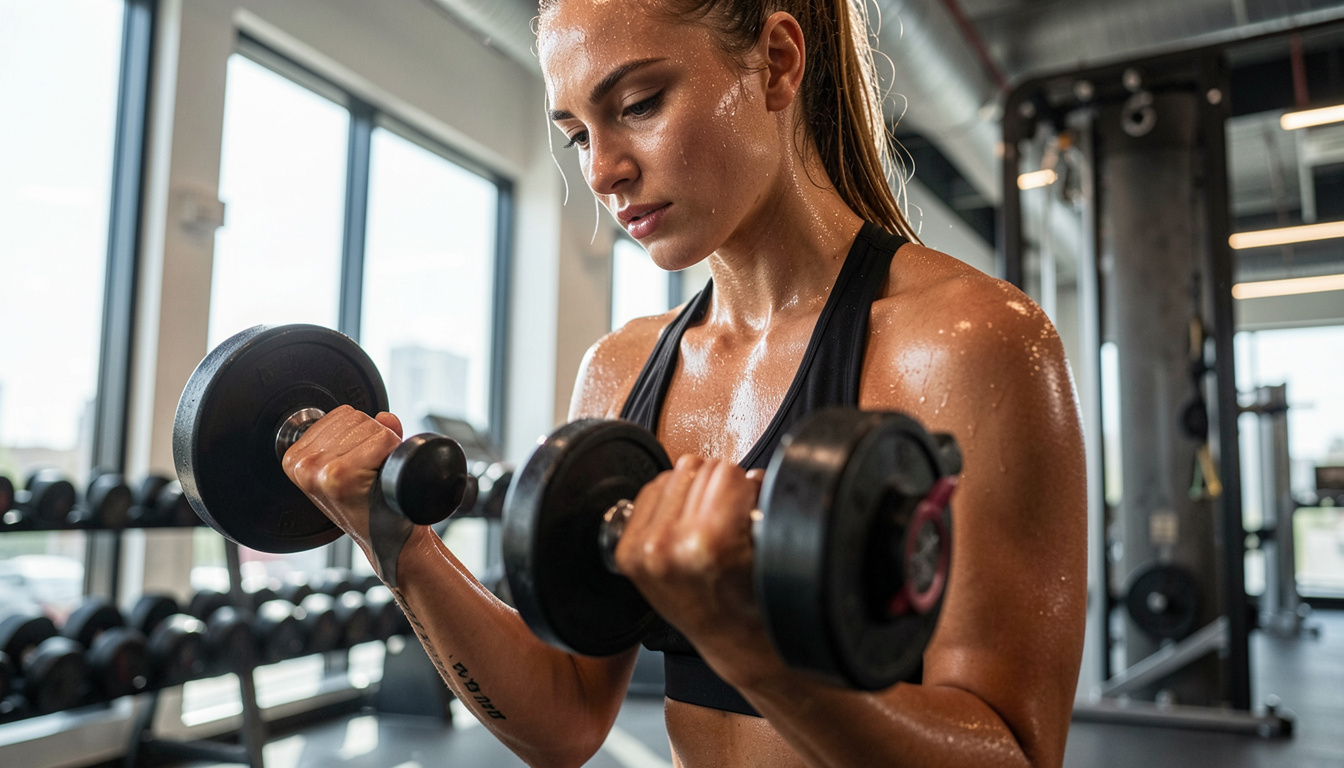
Many people perform hammer curls incorrectly, limiting their progress. Avoiding these mistakes helps you build strength faster and reduces injury risk.
Using Too Much Weight
Heavy weights often cause people to swing their body instead of using their arm muscles.
Choose a weight that allows you to maintain control throughout the entire movement.
Moving the Elbows
When elbows move forward, other muscles start helping with the exercise.
Keep your elbows close to your sides to maintain proper tension.
Rushing the Repetition
Fast repetitions reduce muscle engagement.
Controlled movements create better results because the muscles stay under tension longer.
Ignoring the Lowering Phase
The eccentric portion of an exercise is important for muscle growth.
Lower the dumbbells slowly instead of dropping them quickly.
Training With Poor Posture
Avoid leaning backward or using momentum.
Maintain:
- Straight posture
- Tight core
- Relaxed shoulders
Good form creates better results than simply lifting heavier weights.
How to Add Hammer Curls Into Your Workout Routine
The best way to include hammer curls depends on your training goals.
For muscle growth, many people perform:
- 3 to 4 sets
- 8 to 15 repetitions
- Moderate weight
For strength improvement:
- 3 to 5 sets
- 5 to 8 repetitions
- Heavier weight
For endurance and conditioning:
- 2 to 3 sets
- 15 to 20 repetitions
Hammer curls work well during:
- Arm workouts
- Pull workouts
- Upper body sessions
- Full body programs
They can be performed after larger exercises such as rows and pull-ups because those movements already train the arms.
Progressive overload is important. Gradually increase weight, repetitions, or control over time to continue improving.
Hammer Curls vs Regular Biceps Curls
Many people wonder whether hammer curls are better than traditional curls. The answer depends on your goal.
| Feature | Hammer Curls | Regular Curls |
|---|---|---|
| Grip | Neutral | Palms upward |
| Main Focus | Brachialis and forearms | Biceps |
| Wrist Position | More natural | More rotated |
| Arm Thickness | Excellent | Excellent |
| Beginner Friendly | Yes | Yes |
Both exercises have value. A complete arm program often includes both because they train the muscles from different angles.
Hammer curls are especially useful when you want thicker arms and stronger forearms.
Frequently Asked Questions About Hammer Curls
Are hammer curls good for building bigger arms?
Yes. Hammer curls train the biceps, brachialis, and forearms, helping create larger and stronger arms.
How many hammer curls should I do?
Most people benefit from 3 to 4 sets of 8 to 15 repetitions depending on their fitness goals.
Can beginners do hammer curls?
Yes. Hammer curls are beginner-friendly because they use a natural wrist position and simple movement pattern.
Do hammer curls work the forearms?
Yes. They strongly involve the brachioradialis and grip muscles, making them useful for forearm development.
Should I do hammer curls heavy or light?
Use a weight that allows proper form. Moderate weight with controlled repetitions usually produces the best results.
Are hammer curls better than regular curls?
Neither exercise is universally better. Hammer curls and regular curls train different areas, so combining both is often the best approach.
Final Thoughts on Hammer Curls
Hammer curls are one of the most effective exercises for developing stronger, thicker, and more balanced arms. Their neutral grip makes them comfortable for many lifters while targeting muscles that traditional curls may not emphasize as much.
The key to getting results is proper technique, consistent training, and gradual progression. Avoid using momentum, choose the right weight, and focus on controlled repetitions.
Whether your goal is bigger arms, improved grip strength, or better overall fitness, hammer curls deserve a place in your workout routine. This simple movement can deliver impressive results when performed correctly and included as part of a balanced strength program.
Read Also: Rantingly News Guide: Trending Stories & Public Opinions