
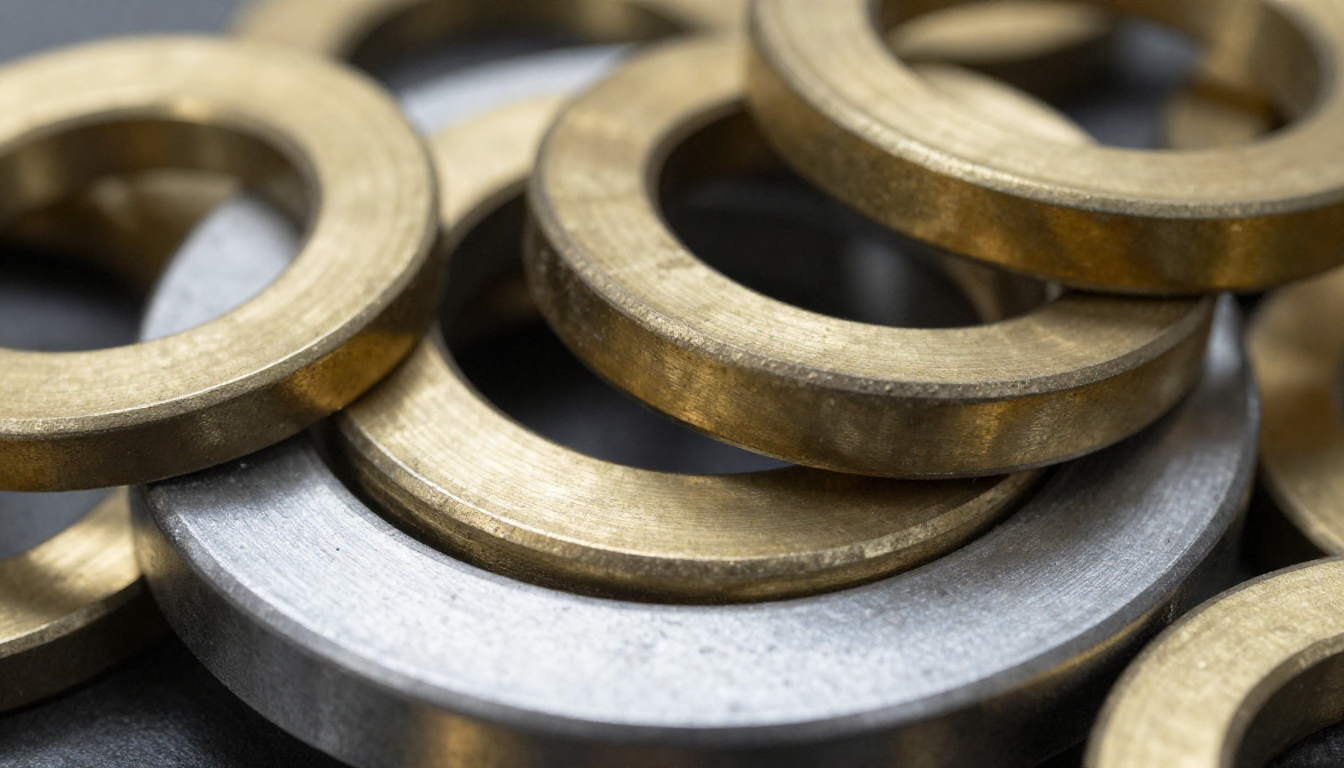
Machined Washers: Complete Guide to Types, Uses, Materials and Manufacturing
Machined washers are small but highly important components used across countless industries where accuracy, strength, and reliability matter. Unlike standard stamped washers, machined washers are produced through precision machining processes that create exact dimensions, tight tolerances, and consistent performance. These specialized washers are commonly used in aerospace, automotive, medical equipment, electronics, industrial machinery, and advanced engineering applications.
Choosing the correct washer can significantly affect the performance and lifespan of an assembly. A properly designed machined washer helps distribute loads, reduce friction, maintain alignment, prevent damage, and improve fastening reliability. Engineers often select machined washers when standard washers cannot meet specific requirements related to size, material, thickness, or precision.
This complete guide explains what machined washers are, how they are manufactured, their different types, common materials, industrial applications, advantages, and important factors to consider when selecting the right option for a project.
What Are Machined Washers?
Machined washers are precision-engineered circular components designed to provide support between fasteners and assembled parts. They usually feature a central hole and a flat surface, but their dimensions are created through machining methods instead of traditional stamping.
The machining process allows manufacturers to produce washers with:
- Accurate inner and outer diameters
- Precise thickness measurements
- Custom shapes
- Tight dimensional tolerances
- Specialized material properties
Unlike mass-produced washers, machined washers are often created for applications where standard sizes cannot provide the required performance.
They are commonly used with:
- Bolts
- Screws
- Nuts
- Shafts
- Bearings
- Precision mechanical assemblies
The main purpose of a machined washer is to improve the connection between components and ensure reliable operation under different loads and conditions.
How Machined Washers Are Manufactured
The manufacturing process of machined washers focuses on precision and consistency.
Several machining techniques may be used depending on the design requirements.
CNC Machining
Computer Numerical Control (CNC) machining is one of the most common methods for producing precision washers.
CNC machines use programmed instructions to remove material accurately.
Benefits include:
- High dimensional accuracy
- Repeatable production
- Custom designs
- Complex geometries
This process is ideal for industries that require strict specifications.
Turning Process
Many round washers are produced using CNC turning.
During this process, a rotating piece of material is shaped using cutting tools.
Turning allows manufacturers to control:
- Diameter
- Thickness
- Surface finish
Milling Operations
Some specialized washers require milling to create additional features.
Examples include:
- Slots
- Flats
- Custom profiles
- Special mounting features
Surface Finishing
After machining, washers may receive finishing treatments to improve durability.
Common finishes include:
- Polishing
- Anodizing
- Plating
- Heat treatment
- Coating
These treatments improve corrosion resistance and surface performance.
Different Types of Machined Washers
Machined washers are available in various designs depending on their intended application.
Flat Machined Washers
Flat machined washers are the most common type.
They provide:
- Load distribution
- Surface protection
- Improved fastening stability
They are widely used in mechanical assemblies.
Precision Shim Washers
Shim washers are extremely thin components designed for accurate spacing and alignment.
They are commonly used in:
- Machinery adjustments
- Gear systems
- Bearings
- Industrial equipment
Shoulder Washers
Shoulder washers include a raised section that separates components electrically or mechanically.
They are often used in:
- Electronics
- Automotive systems
- Precision assemblies
Custom Machined Washers
Custom washers are designed for unique engineering requirements.
They may include:
- Special dimensions
- Unique materials
- Non-standard shapes
- Custom tolerances
These washers are commonly produced for specialized industries.
Materials Used for Machined Washers
Material selection plays an important role in washer performance.
Different applications require different levels of strength, corrosion resistance, and temperature protection.
Stainless Steel
Stainless steel is one of the most popular materials for machined washers.
Advantages include:
- Excellent corrosion resistance
- Strong mechanical performance
- Long service life
Stainless steel washers are common in outdoor equipment, medical devices, and industrial machinery.
Aluminum
Aluminum washers are lightweight and corrosion resistant.
They are often used when reducing overall assembly weight is important.
Common applications include:
- Aerospace components
- Electronics
- Transportation systems
Titanium
Titanium offers excellent strength while remaining lightweight.
It performs well in demanding environments requiring:
- High strength
- Heat resistance
- Corrosion protection
Brass
Brass washers provide good electrical conductivity and corrosion resistance.
They are often used in:
- Electrical equipment
- Plumbing systems
- Decorative applications
Plastic and Polymer Materials
Plastic washers are useful when electrical insulation or chemical resistance is required.
Common materials include:
- Nylon
- PTFE
- Polycarbonate
Common Applications of Machined Washers
Machined washers are used in many industries because of their precision and reliability.
Aerospace Industry
Aircraft systems require components that meet strict quality standards.
Machined washers are used in:
- Aircraft structures
- Engine systems
- Precision assemblies
Their accurate dimensions help maintain safety and performance.
Automotive Manufacturing
Modern vehicles contain thousands of mechanical components.
Machined washers support:
- Engine parts
- Suspension systems
- Transmission components
- Electrical assemblies
Medical Equipment
Medical devices require reliable and accurate components.
Machined washers are used in:
- Surgical equipment
- Diagnostic machines
- Laboratory systems
Electronics Industry
Electronic products often require small precision parts.
Washers help provide:
- Component spacing
- Electrical isolation
- Mechanical stability
Industrial Machinery
Factories rely on machinery that must operate continuously.
Machined washers help improve:
- Fastener reliability
- Equipment alignment
- Maintenance performance
Benefits of Using Machined Washers
Machined washers provide several advantages compared with standard alternatives.
High Precision
The biggest benefit is dimensional accuracy.
Manufacturers can create washers with exact measurements required for specialized applications.
Custom Design Options
Machined washers can be produced according to specific engineering drawings.
This allows companies to create solutions for unique challenges.
Improved Durability
High-quality materials and precise manufacturing improve service life.
Machined washers often perform better in demanding environments.
Better Load Distribution
Washers help spread force across a larger surface area.
This reduces stress and protects connected components.
Reliable Performance
Precision manufacturing creates consistent results across production batches.
This reliability is important in safety-critical applications.
How to Choose the Right Machined Washer
Selecting the correct machined washer requires careful consideration.
Important factors include:
Material Requirements
Choose materials based on:
- Environment
- Temperature exposure
- Corrosion risks
- Mechanical loads
Size Specifications
Important measurements include:
- Inner diameter
- Outer diameter
- Thickness
- Flatness
Incorrect sizing can affect assembly performance.
Load Conditions
Consider how much force the washer must handle.
Heavy-duty applications may require stronger materials and thicker designs.
Surface Requirements
Some applications need specific finishes for:
- Reduced friction
- Corrosion resistance
- Electrical performance
Manufacturing Tolerance
Precision applications require tighter tolerances.
Always match washer specifications with engineering requirements.
Frequently Asked Questions About Machined Washers
What are machined washers used for?
Machined washers are used to distribute loads, improve fastening stability, maintain alignment, and protect surfaces in precision assemblies.
How are machined washers different from stamped washers?
Machined washers are produced through precision cutting processes, while stamped washers are formed from sheet material. Machined washers usually provide better accuracy and customization.
Which materials are best for machined washers?
Common materials include stainless steel, aluminum, titanium, brass, nylon, and other engineered materials depending on the application.
Are machined washers suitable for industrial use?
Yes. Machined washers are widely used in aerospace, automotive, electronics, medical equipment, and industrial machinery because of their precision and durability.
Can machined washers be customized?
Yes. Manufacturers can create custom washers with specific sizes, shapes, materials, and tolerances.
Why are precision washers important?
Precision washers improve assembly reliability by ensuring proper alignment, load distribution, and consistent mechanical performance.
Final Thoughts
Machined washers may appear simple, but they play an essential role in creating reliable mechanical systems. Their precision manufacturing, customizable designs, and wide material options make them valuable components across many industries. From aerospace engineering to automotive production and medical equipment, these washers help improve performance, safety, and durability.
Unlike standard washers designed for general applications, machined washers provide the accuracy needed for demanding projects. Engineers choose them when exact measurements, specialized materials, and dependable performance are required.
Understanding the different types, manufacturing methods, materials, and selection factors allows businesses and engineers to make better decisions. A properly selected machined washer can improve assembly strength, extend component life, and prevent costly failures.
As industries continue moving toward higher precision and advanced manufacturing, the demand for reliable machined components will continue growing. Machined washers remain an important solution for applications where quality, accuracy, and long-term performance matter.
Read Also: Consolidated Management Group: Services, Growth and Vision