
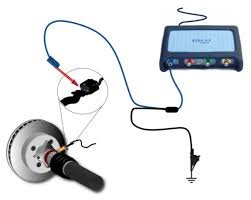
The braking system of a vehicle is one of the most important components responsible for road safety, and modern vehicles rely heavily on advanced technologies to ensure that drivers can maintain control even in dangerous situations. One of the most significant safety innovations in automotive engineering is the Anti-Lock Braking System, commonly known as ABS. The term ABS Testauslösung refers to the testing or triggering of the ABS system to ensure that it functions correctly under specific conditions. This process is particularly important in vehicle diagnostics, maintenance procedures, and safety inspections because it verifies whether the system can properly respond when sudden braking occurs. ABS technology prevents the wheels from locking during hard braking, allowing the driver to maintain steering control and avoid skidding. Understanding how ABS Testauslösung works requires knowledge of the ABS system, its components, and the situations in which it activates. As vehicles become increasingly complex with electronic control units and integrated safety technologies, proper testing and monitoring of systems like ABS are essential to maintain optimal performance. This article explores the concept of ABS Testauslösung in detail, including how the system operates, why testing is necessary, and what drivers and technicians should know about this crucial safety feature.
What Is an Anti-Lock Braking System (ABS)?
The Anti-Lock Braking System is a vehicle safety feature designed to prevent the wheels from locking up during heavy braking. When a driver applies strong pressure to the brake pedal, the braking force can sometimes cause the wheels to stop rotating completely while the vehicle is still moving. When this happens, the tires lose traction with the road surface, which can cause the vehicle to skid uncontrollably. ABS prevents this situation by rapidly adjusting brake pressure on each wheel. The system uses sensors located near each wheel to monitor rotational speed. If the sensors detect that a wheel is about to stop rotating while the vehicle is still moving, the ABS control unit temporarily reduces brake pressure to that wheel and then reapplies it repeatedly. This rapid cycle occurs many times per second, allowing the wheels to continue rotating while still slowing the vehicle down. By maintaining traction with the road surface, ABS allows the driver to maintain steering control even during emergency braking. The presence of this system has significantly improved vehicle safety and has become a standard feature in most modern vehicles worldwide.
The Meaning of ABS Testauslösung
ABS Testauslösung refers to the deliberate activation or triggering of the ABS system during diagnostic testing. This procedure is used to verify that the system’s sensors, control modules, and hydraulic components are functioning correctly. Automotive technicians often perform ABS testing during routine maintenance, vehicle inspections, or when diagnosing braking issues. The goal is to simulate the conditions under which ABS would normally activate, such as sudden braking or wheel slip. During the test, diagnostic equipment may communicate with the vehicle’s electronic control unit to activate the ABS system and observe how it responds. This process helps identify potential faults such as malfunctioning sensors, wiring problems, or issues with the hydraulic control unit. By triggering the system intentionally, technicians can monitor data from each component and determine whether the system reacts as expected. ABS Testauslösung is therefore a critical part of vehicle diagnostics because it ensures that the braking system will perform reliably in real-world emergency situations.
Components Involved in ABS Operation
The effectiveness of ABS depends on several interconnected components working together in real time. One of the most important parts is the wheel speed sensor, which continuously monitors how fast each wheel is rotating. These sensors send data to the electronic control unit, which acts as the central processing system for the ABS. The electronic control unit analyzes the data from all the wheels and determines whether any of them are at risk of locking during braking. Another essential component is the hydraulic control unit, which adjusts brake pressure according to instructions from the electronic control unit. This unit contains valves that can increase, decrease, or maintain pressure in the braking system. The brake pump is also involved in restoring pressure when the system releases it during ABS activation. When ABS Testauslösung occurs, these components must respond quickly and accurately to demonstrate that the system is functioning properly. If any component fails to perform correctly, the entire braking system may become less effective during emergency situations.
Situations That Trigger ABS Activation
ABS is designed to activate automatically in situations where wheel lock is likely to occur. One common scenario is emergency braking on wet or slippery roads where traction is limited. When a driver presses the brake pedal forcefully under such conditions, the wheels may lose grip and begin to slide. ABS detects this change and rapidly adjusts brake pressure to prevent the wheels from locking. Another situation involves driving on loose surfaces such as gravel or snow, where the tires can easily lose traction. Even sudden braking on dry pavement can activate ABS if the braking force is strong enough. Drivers often notice ABS activation through a pulsing sensation in the brake pedal and a vibrating sound coming from the braking system. These sensations indicate that the system is rapidly adjusting brake pressure to maintain traction. During ABS Testauslösung, technicians attempt to simulate similar conditions so that they can observe whether the system activates properly.
Diagnostic Tools Used for ABS Testing
Modern vehicles contain complex electronic systems that require specialized diagnostic tools for proper testing. During ABS Testauslösung, technicians often use advanced diagnostic scanners that connect to the vehicle’s onboard computer system. These tools allow technicians to access real-time data from wheel speed sensors, control modules, and hydraulic units. By analyzing this data, technicians can determine whether each component is functioning correctly. Some diagnostic systems also allow technicians to activate specific components manually to observe how they respond. For example, the tool may trigger the ABS pump or cycle the hydraulic valves to ensure that they operate smoothly. These tests help identify hidden problems that may not be immediately visible during normal driving. Without proper diagnostic equipment, it would be extremely difficult to evaluate the performance of such a complex safety system.
Importance of ABS Testing in Vehicle Safety
Regular testing of the ABS system is essential for maintaining vehicle safety. Because ABS plays a critical role in preventing skidding and maintaining steering control, any malfunction can significantly increase the risk of accidents. ABS Testauslösung allows technicians to verify that the system is ready to respond in emergency situations. If faults are detected during testing, they can be repaired before they lead to dangerous driving conditions. Routine inspections and maintenance checks often include ABS diagnostics to ensure that the system continues to operate correctly over time. Environmental factors such as dirt, corrosion, and electrical wear can gradually affect sensors and wiring, which makes periodic testing even more important. By performing ABS Testauslösung as part of regular vehicle maintenance, drivers can ensure that their braking systems remain reliable and effective.
Common Problems Detected During ABS Testing
During ABS Testauslösung, technicians may discover several types of issues that affect system performance. One of the most common problems involves faulty wheel speed sensors, which can send incorrect data to the control unit. When this happens, the ABS system may activate unnecessarily or fail to activate when needed. Wiring damage is another frequent issue because the sensors rely on electrical connections that can wear out over time. Corrosion or debris around the sensor area can also interfere with accurate readings. Problems with the hydraulic control unit may prevent the system from adjusting brake pressure correctly. In some cases, software errors within the electronic control unit may cause warning lights to appear on the dashboard. Identifying these issues during testing allows technicians to repair or replace the affected components before they compromise the vehicle’s safety.
How Drivers Can Recognize ABS Activation
Drivers can often recognize ABS activation through several noticeable signs during braking. One of the most common indicators is a pulsating feeling in the brake pedal, which occurs when the system rapidly adjusts brake pressure. The driver may also hear a buzzing or grinding noise coming from the braking system. Although these sensations may seem unusual at first, they are normal and indicate that the system is working as intended. When ABS activates, it is important for drivers to maintain steady pressure on the brake pedal rather than pumping the brakes manually. The system is designed to manage braking pressure more effectively than manual braking techniques. Understanding these signs helps drivers remain calm during emergency situations and trust the vehicle’s safety systems.
Frequently Asked Questions
What does ABS Testauslösung mean?
ABS Testauslösung refers to the intentional triggering or activation of the anti-lock braking system during diagnostic testing to ensure that it functions properly.
Why is ABS testing important?
ABS testing ensures that the braking system can prevent wheel lock and maintain vehicle control during emergency braking situations.
Can ABS fail without warning?
In many cases, the vehicle’s dashboard warning light will indicate a problem with the ABS system, but regular testing helps detect issues before they become serious.
What does it feel like when ABS activates?
Drivers usually feel a pulsating sensation in the brake pedal and may hear a buzzing sound when ABS is actively adjusting brake pressure.
Is it safe to drive if the ABS warning light is on?
The vehicle can still brake normally, but the anti-lock feature may not function correctly, so it is recommended to have the system inspected as soon as possible.
Conclusion
ABS Testauslösung plays a crucial role in maintaining the safety and reliability of modern braking systems. By intentionally activating the ABS system during diagnostic testing, technicians can verify that all components—from sensors to control units—are functioning as expected. The Anti-Lock Braking System itself represents one of the most important safety advancements in automotive history, helping drivers maintain control during sudden or hazardous braking conditions. Regular testing and maintenance ensure that this system continues to operate effectively throughout the life of the vehicle. As vehicles continue to incorporate more advanced electronic technologies, understanding and maintaining systems like ABS will remain essential for safe driving and responsible vehicle ownership.