
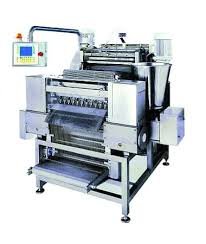
The word “tortellinatrice” refers to a specialized machine designed to produce tortellini, the small ring-shaped stuffed pasta that originates from Italian culinary tradition and has become a beloved dish around the world. While tortellini has long been crafted by skilled hands in kitchens and small workshops, the tortellinatrice represents a remarkable evolution in food preparation, blending traditional recipes with modern engineering. In today’s fast-moving culinary industry, consistency, efficiency, and hygiene are essential, and machines like the tortellinatrice help restaurants, factories, and artisan pasta makers produce high-quality tortellini without sacrificing flavor or authenticity. This article explores the history of tortellini, the rise of pasta-making machines, how a tortellinatrice works, its benefits for businesses and home cooks, and the future of automated pasta technology. By understanding the role of this machine, we can better appreciate the balance between tradition and innovation in one of the world’s most loved foods.
The History of Tortellini and Its Cultural Importance
Tortellini has a long and fascinating history rooted in Italian cuisine, where pasta is not only food but a symbol of family, celebration, and heritage. According to legend, tortellini was inspired by a romantic story involving an innkeeper who saw a beautiful woman through a keyhole and tried to recreate her beauty in pasta form. While this tale may be fictional, it reflects the creativity and passion Italians bring to cooking. Traditionally, tortellini dough is rolled thin and cut into squares, filled with a mixture of meats, cheeses, or vegetables, and then folded into their famous ring shape. This process requires patience and skill, especially when making large quantities. For centuries, families gathered in kitchens before holidays to prepare hundreds of tortellini together, sharing stories while shaping pasta by hand. The tortellinatrice does not replace this cultural experience but offers a way to preserve recipes while meeting modern demand. It allows chefs to focus on flavor and creativity while ensuring uniform shapes and cooking times.
The Evolution of Pasta-Making Machines
The development of machines like the tortellinatrice came from the need to produce pasta efficiently without compromising quality. Early pasta tools were simple rollers and cutters powered by hand, which later evolved into mechanical machines powered by motors. As the restaurant industry grew and global demand for pasta increased, manufacturers created machines capable of mixing dough, flattening sheets, adding fillings, folding shapes, and cutting finished pieces automatically. The tortellinatrice is a specialized version of these machines designed specifically for stuffed pasta. It combines several processes into one unit, ensuring that each tortellino is perfectly sealed and evenly filled. Modern machines also allow operators to adjust thickness, filling quantity, and production speed. This flexibility makes them useful not only for factories but also for artisan pasta makers who want to maintain handmade quality while increasing output.
How a Tortellinatrice Works
A tortellinatrice operates through a carefully designed system of rollers, molds, and filling mechanisms. First, the machine feeds dough through rollers that flatten it into thin sheets. At the same time, a filling pump prepares the mixture of meat, cheese, or vegetables and places it in measured portions on the dough. Next, molds press the dough around the filling and fold it into the signature tortellini shape. Finally, cutters separate each piece, ready for cooking or packaging. Many machines also include cooling systems to keep fillings fresh and sensors to monitor pressure and speed. The process is precise, ensuring that each tortellino has the same size and filling ratio. This consistency is important because uneven pasta can cook poorly, leading to broken pieces or undercooked fillings. With a tortellinatrice, producers can maintain quality while producing thousands of tortellini per hour.
Benefits for Restaurants and Food Businesses
Restaurants and food companies benefit greatly from using a tortellinatrice because it saves time, reduces labor costs, and ensures product consistency. In busy kitchens, chefs must prepare many dishes quickly, and hand-shaping tortellini can take hours. A machine allows them to produce large quantities in minutes while focusing on sauces and presentation. Food factories also rely on tortellinatrice machines to supply supermarkets and export markets. Consistent size and shape help packaging and cooking instructions remain accurate. Hygiene is another advantage because modern machines are made from stainless steel and easy-to-clean components that meet safety standards. With proper maintenance, a tortellinatrice can operate for years, making it a valuable investment for businesses.
Advantages for Artisan Pasta Makers
While large factories use high-capacity machines, artisan pasta makers also benefit from smaller tortellinatrice models. These machines allow small businesses to scale production without losing their identity. They can still use traditional recipes, fresh ingredients, and handmade techniques for mixing and seasoning fillings. The machine simply handles the shaping process, which is repetitive and time-consuming. This balance allows artisans to focus on flavor innovation, customer service, and branding. It also helps them meet demand during holidays and festivals when tortellini sales increase. By combining craftsmanship with technology, small pasta shops can remain competitive in a global market.
Using a Tortellinatrice at Home
In recent years, compact pasta machines have become available for home cooks who love making fresh pasta. A home tortellinatrice may not produce thousands of pieces per hour, but it simplifies the shaping process and makes cooking fun for families. Home cooks can experiment with fillings such as spinach and ricotta, chicken and herbs, or pumpkin and cheese. They can also adjust dough thickness and shape sizes to match their preferences. Cooking with a tortellinatrice at home encourages creativity and brings families together, similar to traditional pasta-making gatherings. It also allows people to enjoy fresh tortellini without relying on store-bought products.
Maintenance and Care of the Machine
Proper maintenance is essential to keep a tortellinatrice working efficiently. Operators must clean the machine after each use to remove dough residue and prevent bacterial growth. Lubricating moving parts ensures smooth operation, while checking molds and rollers prevents damage to pasta shapes. Many modern machines include safety features that stop operation if something is wrong. Regular inspection and professional servicing extend the machine’s life and maintain food safety standards. A well-maintained tortellinatrice can produce high-quality pasta for many years.
The Future of Pasta Automation
The future of tortellinatrice technology is exciting, with innovations such as digital controls, smart sensors, and automated recipe programs. Machines may soon adjust settings automatically based on dough texture or filling consistency. Some systems could connect to mobile apps, allowing chefs to monitor production remotely. Sustainable energy use and eco-friendly materials are also becoming priorities in machine design. As technology advances, tortellinatrice machines will become more efficient, versatile, and accessible, helping chefs and food companies meet growing demand for fresh pasta worldwide.
Conclusion
The tortellinatrice is more than a machine; it is a bridge between tradition and innovation. It allows chefs, businesses, and home cooks to preserve the rich heritage of tortellini while adapting to modern needs. By ensuring consistency, efficiency, and hygiene, the tortellinatrice supports the growth of pasta culture across the world. Yet it also reminds us that technology should enhance tradition, not replace it. The best tortellini still depend on quality ingredients, creative recipes, and the passion of the people who make them. Whether in a small kitchen or a large factory, the tortellinatrice continues the story of pasta, bringing delicious meals to tables everywhere.
FAQ
1. What is a tortellinatrice?
A tortellinatrice is a machine used to produce tortellini automatically by flattening dough, adding filling, shaping pasta, and cutting finished pieces.
2. Who uses tortellinatrice machines?
Restaurants, pasta factories, artisan pasta makers, and even home cooks use them to save time and ensure consistent results.
3. Does a tortellinatrice affect taste?
No, the taste depends on ingredients and recipes. The machine only shapes the pasta.
4. Are tortellinatrice machines expensive?
Prices vary depending on size and features, from small home models to large industrial machines.
5. Can a tortellinatrice make other pasta shapes?
Some machines can be adjusted to make ravioli, cappelletti, or other stuffed pasta types.