
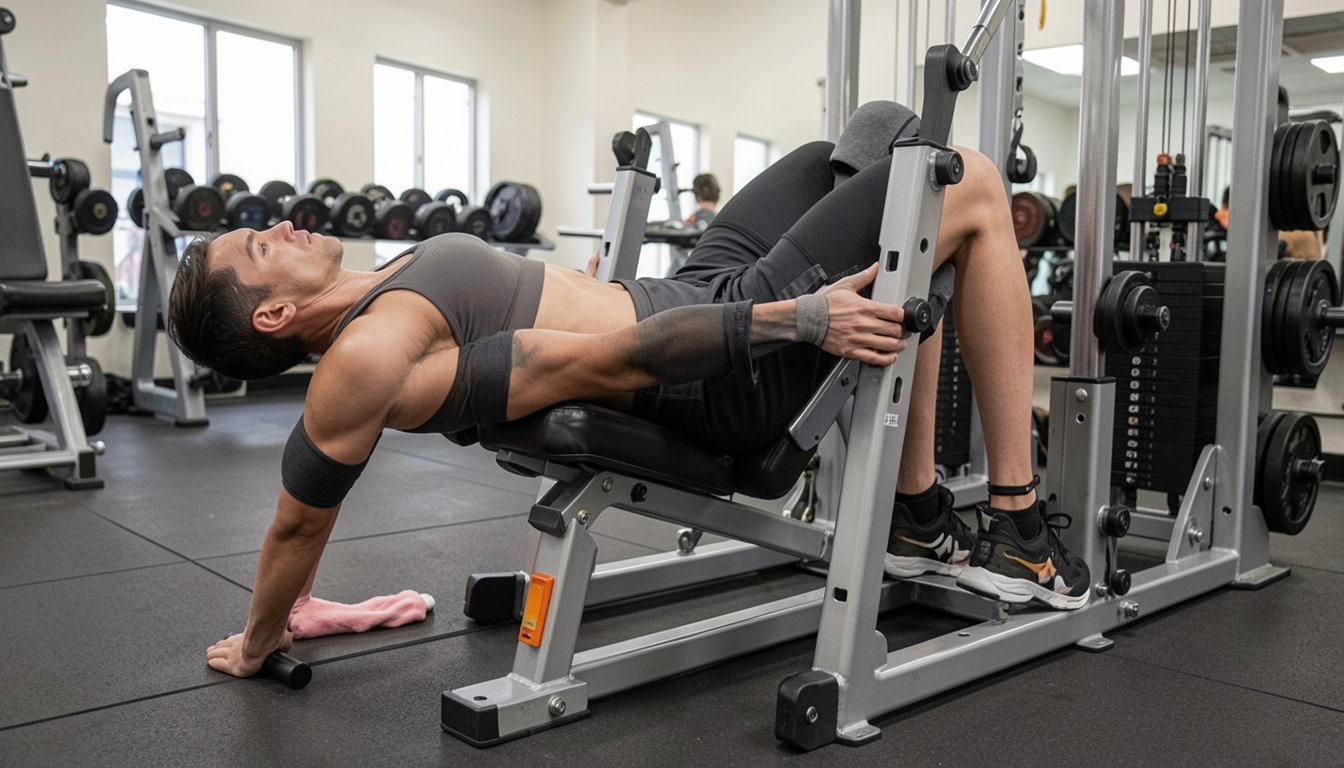
Hip Thrust Machine: Complete Guide to Building Stronger Glutes
The fitness industry continues to evolve with new equipment designed to make strength training safer, easier, and more effective. The hip thrust machine has become one of the most popular pieces of gym equipment for people who want to build stronger glutes, improve lower body strength, and perform hip thrust exercises with better control.
Many gym users know the traditional barbell hip thrust, but the machine version offers a more guided approach. It helps reduce setup difficulties, improves stability, and allows beginners and experienced lifters to focus more on muscle activation.
Strong glutes are important for more than appearance. They support posture, athletic movement, balance, and everyday activities like walking, climbing stairs, and lifting objects. A well-designed hip thrust machine provides a practical way to train these powerful muscles with consistent resistance.
This complete guide explains how the hip thrust machine works, its benefits, correct technique, common mistakes, workout tips, and why it has become a valuable tool in modern strength training.
What Is a Hip Thrust Machine and How Does It Work?
A hip thrust machine is a specialized strength training machine designed to perform the hip thrust movement. The exercise focuses mainly on the glute muscles by creating resistance during hip extension.
Unlike a traditional barbell setup, where users must position a bench and balance a heavy bar, the machine provides a fixed structure that guides the movement.
Most hip thrust machines include:
- A padded back support
- A shoulder or upper back platform
- A hip belt or resistance pad
- Adjustable resistance settings
- Foot placement area
The main movement involves driving the hips upward while keeping the core controlled and squeezing the glutes at the top position.
The primary muscles trained include:
- Gluteus maximus
- Gluteus medius
- Hamstrings
- Quadriceps
- Core stabilizers
The machine design helps users maintain proper positioning while focusing on producing force through the hips.
Benefits of Using a Hip Thrust Machine for Glute Training
The popularity of the hip thrust machine comes from its ability to make glute training more accessible and effective.
Better Glute Activation
Hip thrust exercises are known for targeting the glutes because they involve strong hip extension.
The machine allows users to focus on:
- Full range of motion
- Controlled movement
- Strong contractions
- Consistent resistance
When performed correctly, the exercise creates significant tension in the glute muscles.
Easier Setup Compared to Barbell Hip Thrusts
Traditional hip thrusts can sometimes feel uncomfortable because users need to:
- Position a bench
- Place a barbell correctly
- Add weight plates
- Maintain balance
A hip thrust machine simplifies this process.
Users can quickly adjust the machine and begin training without spending extra time preparing equipment.
Improved Stability
Balance can be a challenge during free-weight exercises.
The machine provides support, allowing users to focus on muscle engagement rather than controlling equipment movement.
This makes it useful for:
- Beginners
- People returning to exercise
- Lifters improving technique
Progressive Strength Development
Building muscle requires gradually increasing training demands.
A hip thrust machine makes progression easier because users can adjust resistance in controlled steps.
Progressive overload can include:
- Adding more weight
- Increasing repetitions
- Improving technique
- Increasing training volume
How to Perform Hip Thrusts Correctly on a Machine
Proper technique is essential for getting the best results and reducing injury risk.
Step 1: Adjust the Machine
Before starting:
- Set the seat or back support correctly
- Position the resistance pad comfortably
- Choose an appropriate weight
The setup should allow your hips to move freely.
Step 2: Position Your Body
Place your upper back against the support.
Keep:
- Feet flat on the platform
- Knees bent
- Core engaged
- Spine neutral
Your feet should allow your knees to create a comfortable angle at the top movement.
Step 3: Drive Through Your Feet
Push through your heels and extend your hips upward.
Focus on moving the hips rather than using the lower back.
At the top:
- Squeeze your glutes
- Hold briefly
- Maintain control
Step 4: Lower Slowly
Return to the starting position with control.
Avoid dropping quickly because controlled movement keeps tension on the muscles.
Hip Thrust Machine vs Barbell Hip Thrust: Which Is Better?
Both exercises can be effective, but they provide different experiences.
| Feature | Hip Thrust Machine | Barbell Hip Thrust |
|---|---|---|
| Setup | Easier | More preparation needed |
| Stability | Higher support | Requires more balance |
| Learning Curve | Beginner friendly | Requires technique practice |
| Resistance Control | Simple adjustments | Plate loading |
| Gym Availability | Requires machine access | Available in most gyms |
The best option depends on personal goals, experience, and available equipment.
Beginners may prefer the machine because it provides guidance. Advanced lifters may enjoy both options for variety.
Common Mistakes When Using a Hip Thrust Machine
Even with machine support, technique mistakes can reduce results.
Using Too Much Weight
Many people increase resistance too quickly.
Heavy weight can cause:
- Poor movement control
- Reduced glute activation
- Lower back stress
Choose a weight that allows proper form.
Overarching the Lower Back
The goal is hip extension, not excessive back movement.
Keep your ribs controlled and avoid pushing through the spine.
Incorrect Foot Placement
Foot position affects muscle involvement.
If feet are too far forward:
- Hamstrings may work more
If feet are too close:
- Quadriceps may dominate
Find a position where your glutes feel the strongest contraction.
Skipping the Top Squeeze
The top position is where glutes reach maximum contraction.
Pause briefly and focus on squeezing the muscles.
Best Hip Thrust Machine Workout Plans
The right workout depends on your fitness level and goals.
Beginner Workout
Start with:
- 3 sets
- 10 to 12 repetitions
- Moderate resistance
- Controlled tempo
Focus on learning movement quality.
Muscle Growth Workout
For building glutes:
- 4 sets
- 8 to 12 repetitions
- Challenging resistance
- 60 to 90 seconds rest
Combine with exercises such as:
- Squats
- Romanian deadlifts
- Lunges
- Cable kickbacks
Strength-Focused Workout
For improving power:
- 4 to 5 sets
- 5 to 8 repetitions
- Higher resistance
- Longer rest periods
Always maintain proper technique when lifting heavier.
Who Should Use a Hip Thrust Machine?
The hip thrust machine can benefit many different types of gym users.
Beginners
Beginners often struggle with free-weight movements.
The machine provides:
- Guidance
- Stability
- Easier learning
Athletes
Strong glutes support athletic performance.
They help with:
- Sprinting
- Jumping
- Explosive movements
- Stability
Bodybuilders
Many bodybuilding programs include hip thrust variations because glute development improves lower body appearance.
General Fitness Users
Strong hips contribute to better daily movement and physical confidence.
Frequently Asked Questions About Hip Thrust Machine
What muscles does a hip thrust machine work?
The hip thrust machine mainly targets the gluteus maximus while also involving the hamstrings, quadriceps, and core muscles.
Is a hip thrust machine better than a barbell?
Neither option is always better. The machine offers more stability, while the barbell allows traditional strength progression.
How often should I use a hip thrust machine?
Most people can train glutes two to three times per week depending on their overall workout routine.
Can beginners use a hip thrust machine?
Yes. The guided movement makes it a beginner-friendly option for learning proper hip thrust technique.
Does the hip thrust machine help build bigger glutes?
Yes. When combined with proper nutrition, progressive overload, and consistent training, it can support glute muscle growth.
How much weight should I use on a hip thrust machine?
Use a weight that allows controlled repetitions with proper form. Increase resistance gradually over time.
Final Thoughts on Hip Thrust Machine Training
The hip thrust machine has become a valuable addition to modern gyms because it makes effective glute training easier and more accessible. It provides stability, controlled resistance, and a simple setup that allows users to focus on building strength.
Whether your goal is stronger glutes, improved athletic performance, or better lower body development, this machine can play an important role in your training routine.
Success comes from consistency, proper technique, and gradual progress. Use a suitable resistance level, focus on quality repetitions, and combine hip thrust training with a balanced workout program.
A well-used hip thrust machine is not just another piece of gym equipment. It is a practical tool that helps people develop strength, confidence, and better movement for everyday life.