
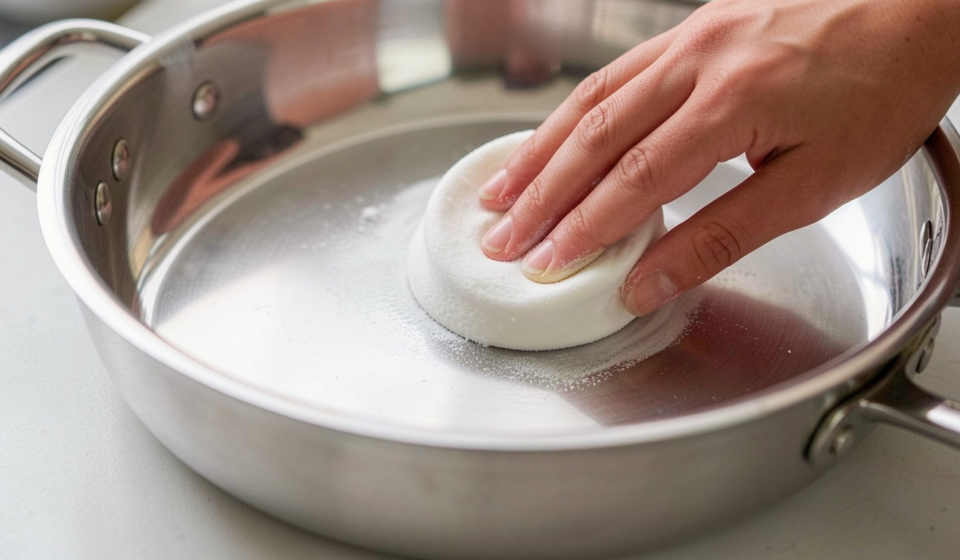

How to Polish Stainless Steel: A Complete Step by Step Guide
Stainless steel is one of the most popular materials used in homes, restaurants, offices, and industrial settings. From kitchen appliances and cookware to sinks, railings, and outdoor furniture, stainless steel is valued for its durability, modern appearance, and resistance to rust. However, even though it is called “stainless,” the surface can still lose its shine over time due to fingerprints, grease, water spots, dust, and minor scratches.
If you’ve been wondering how to polish stainless steel, the good news is that restoring its natural shine is easier than many people think. With the right cleaning products, proper polishing techniques, and regular maintenance, you can keep stainless steel looking almost new for years.
This guide explains everything you need to know, including the best polishing methods, mistakes to avoid, recommended products, and maintenance tips for achieving a smooth, streak-free finish.
Why Stainless Steel Loses Its Shine
Although stainless steel is highly resistant to corrosion, daily use gradually affects its appearance. Understanding what causes dullness helps you choose the right cleaning approach.
Some of the most common reasons include:
- Fingerprints from regular handling
- Grease and cooking residue
- Hard water stains
- Soap buildup
- Dust and dirt
- Minor surface scratches
- Improper cleaning products
Many homeowners accidentally damage the finish by using abrasive cleaners or steel wool. These materials can scratch the protective outer layer and reduce the polished appearance.
Fortunately, most surface dullness can be removed with proper care.
Tools and Supplies You Will Need
Before polishing stainless steel, gather the necessary supplies.
Basic items include:
- Microfiber cloths
- Warm water
- Mild dish soap
- White vinegar
- Baking soda
- Mineral oil or food-grade mineral oil
- Stainless steel polish
- Soft sponge
- Spray bottle
Avoid using rough scrubbing pads, wire brushes, or harsh chemicals unless the manufacturer specifically recommends them.
A clean microfiber cloth is one of the most important tools because it removes residue without scratching the surface.
How to Polish Stainless Steel Step by Step
Following the correct process helps restore shine while protecting the metal’s finish.
Step 1: Clean the Surface
Start by removing dirt and grease.
Mix warm water with a few drops of mild dish soap and wipe the surface using a soft microfiber cloth.
This removes loose debris before polishing.
Rinse with clean water and dry completely.
Step 2: Identify the Grain
Most stainless steel has a visible grain similar to wood.
Look closely at the surface to identify the direction of the grain.
Always wipe and polish in the same direction.
Cleaning against the grain can leave streaks and reduce the polished appearance.
Step 3: Remove Water Spots
If water stains remain, spray white vinegar onto the surface.
Allow it to sit for one or two minutes before wiping with a microfiber cloth.
Vinegar helps dissolve mineral deposits without damaging stainless steel.
Dry the surface immediately after cleaning.
Step 4: Apply Stainless Steel Polish
Use a small amount of stainless steel polish or mineral oil.
Apply it to a clean microfiber cloth rather than directly onto the metal.
Work in the direction of the grain using smooth, even strokes.
Avoid using excessive product because too much polish can leave residue.
Step 5: Buff the Surface
Take another clean microfiber cloth and buff the stainless steel.
Continue polishing until the surface develops a smooth, reflective finish.
Buffing removes excess polish while enhancing the shine.
Homemade Methods for Polishing Stainless Steel
Many effective polishing solutions are already available in most homes.
White Vinegar
White vinegar removes fingerprints, water spots, and light grease.
Spray lightly and wipe with a microfiber cloth.
Baking Soda Paste
Mix baking soda with a small amount of water to form a paste.
Apply gently to stubborn stains using a soft cloth.
Rinse thoroughly afterward.
Mineral Oil
Food-grade mineral oil creates a protective coating while enhancing shine.
Only a few drops are needed.
Buff thoroughly after application.
These household methods are inexpensive and work well for routine maintenance.
Common Mistakes to Avoid
Even well-intentioned cleaning can damage stainless steel.
Avoid these common mistakes.
Using Steel Wool
Steel wool scratches stainless steel and leaves small particles that may eventually rust.
Cleaning Across the Grain
Always polish with the grain instead of against it.
Using Chlorine Bleach
Bleach can damage stainless steel and should never be used unless specifically approved by the manufacturer.
Letting Water Dry Naturally
Hard water often leaves mineral spots.
Always dry stainless steel immediately after washing.
Overusing Polish
Applying excessive polish creates streaks instead of improving shine.
Less is usually better.
How to Keep Stainless Steel Shiny Longer
Regular maintenance reduces the need for heavy polishing.
Helpful habits include:
- Wipe fingerprints daily.
- Clean spills immediately.
- Dry surfaces after washing.
- Use microfiber cloths.
- Polish monthly.
- Avoid abrasive cleaners.
These simple steps keep appliances and fixtures looking clean with minimal effort.
Consistency is more effective than occasional deep cleaning.
Best Places to Use Stainless Steel Polish
Many household items benefit from regular polishing.
Common examples include:
Kitchen Appliances
- Refrigerators
- Ovens
- Dishwashers
- Microwaves
- Range hoods
Kitchen Fixtures
- Sinks
- Faucets
- Countertops
Outdoor Items
- Barbecue grills
- Railings
- Patio furniture
Commercial Equipment
- Restaurant worktables
- Food preparation surfaces
- Industrial machinery
Each surface may require slightly different care, so always follow the manufacturer’s recommendations when available.
Frequently Asked Questions
What is the best thing to polish stainless steel with?
A microfiber cloth combined with a stainless steel polish or food-grade mineral oil provides excellent results.
Can I use vinegar on stainless steel?
Yes. White vinegar safely removes water spots, fingerprints, and mineral deposits when followed by drying.
Should I polish with or against the grain?
Always polish with the grain to maintain the original finish and reduce streaking.
How often should stainless steel be polished?
Light cleaning can be done weekly, while polishing once a month is sufficient for most household items.
Can toothpaste remove scratches?
Toothpaste may help reduce the appearance of very fine scratches, but deeper scratches usually require specialized stainless steel restoration products.
Why does my stainless steel still look streaky?
Streaks usually result from using too much polish, cleaning against the grain, or failing to buff the surface with a clean microfiber cloth.
Final Thoughts
Learning how to polish stainless steel is one of the easiest ways to keep your home looking clean and well maintained. Whether you’re restoring the shine on a refrigerator, polishing a kitchen sink, or refreshing outdoor railings, the right techniques make a noticeable difference.
The key is to clean first, work with the grain, use gentle products, and finish by buffing the surface with a clean microfiber cloth. Avoid abrasive materials and harsh chemicals that can damage the protective finish.
With regular care and a few simple tools, stainless steel can maintain its attractive appearance for many years. A little maintenance goes a long way toward preserving both the beauty and durability of one of the most versatile materials used in modern homes.
Read Also: ToyNewsi Guide: Latest Toy News and Reviews