
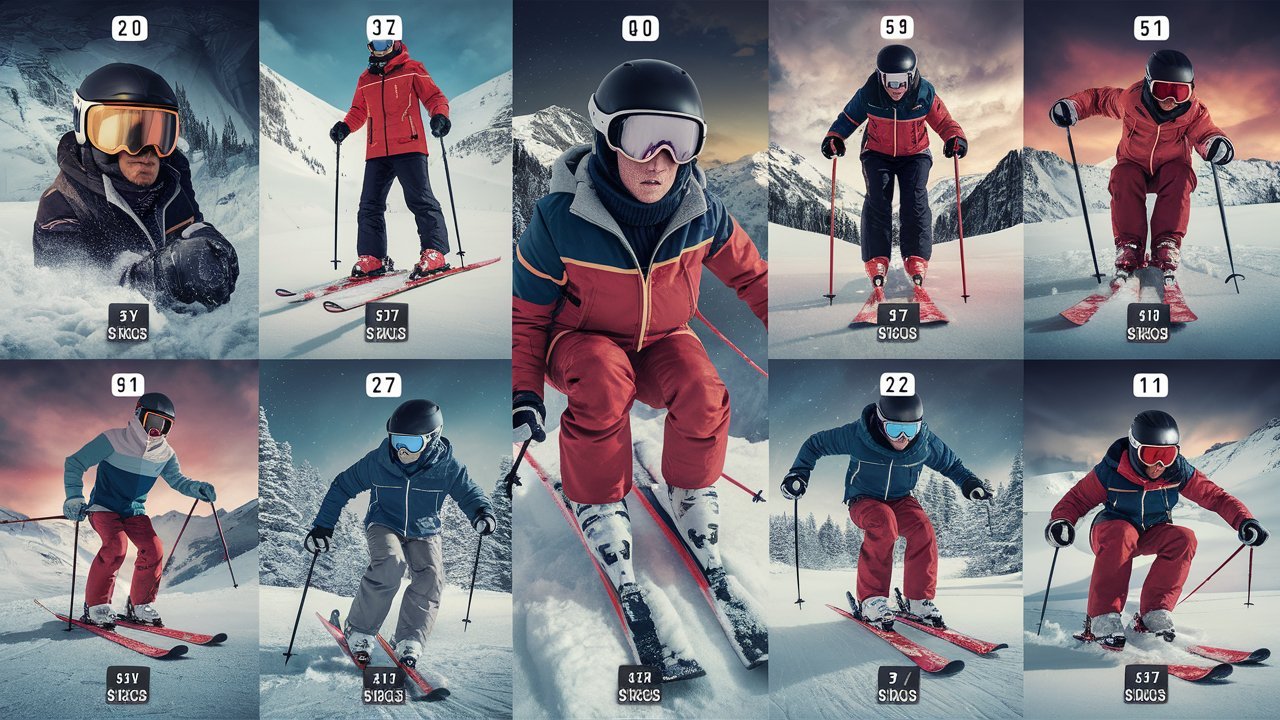
How to Ski: A Complete Beginner Guide to Mastering the Slopes
Learning a new winter sport can feel challenging when you do not know where to begin. Many beginners search how to ski because they want clear instructions, proper equipment advice, and simple techniques that build confidence. Without the right preparation, skiing can become uncomfortable and frustrating. This guide explains everything from choosing ski gear and learning basic movements to improving skills and enjoying safer days on the mountain.
Complete How to Ski Learning Roadmap
| Learning Stage | Main Goal | Important Skills |
|---|---|---|
| Beginner | Build confidence | Balance, stopping, turning |
| Intermediate | Control speed | Parallel turns, varied terrain |
| Advanced | Improve performance | Carving, moguls, powder skiing |
| Expert | Master technique | Racing skills, challenging slopes |
What Is Skiing and Why Do People Learn It?
Skiing is a winter sport where people use long boards called skis to move across snow-covered surfaces. Skiers control direction, speed, and balance through body movements, ski positioning, and pole use.
People learn skiing for different reasons:
- Enjoying mountain environments
- Exploring ski resorts
- Staying active during winter
- Spending time with friends and family
- Developing a new outdoor skill
Modern skiing combines physical fitness, technical ability, and confidence. Beginners do not need professional athletic experience to start. A patient learning process helps new skiers develop skills safely.
Popular skiing destinations include mountain regions in countries such as:
- Switzerland
- Austria
- Canada
- France
- Japan
- United States
Many ski resorts provide beginner areas, professional instructors, and rental equipment that make learning easier.
How to Ski for the First Time: Beginner Steps
The first question many new skiers ask is, “How to ski when I have never tried it before?”
The answer starts with learning control before speed. Beginners should focus on balance, stopping, and turning instead of trying advanced slopes immediately.
The basic learning process includes:
1. Learn Proper Ski Position
A good skiing position creates stability.
Keep:
- Knees slightly bent
- Body relaxed
- Weight centered over skis
- Eyes looking ahead
- Arms naturally forward
Avoid standing completely straight because stiff legs reduce control.
2. Practice Moving on Flat Snow
Before going downhill, practice:
- Walking with skis
- Sliding slowly
- Changing direction
- Keeping balance
These simple movements help your body understand how skis react.
3. Learn How to Stop
Stopping is one of the first skills every skier needs.
Beginners usually learn the snowplow or pizza technique:
- Point ski tips inward
- Keep heels wider apart
- Apply gentle pressure
- Control speed gradually
A strong stopping technique creates confidence on beginner slopes.
How to Choose Ski Equipment Before Hitting the Mountain
Choosing the right equipment plays an important role in learning how to ski comfortably.
The main equipment includes:
| Equipment | Purpose |
|---|---|
| Skis | Provide movement across snow |
| Ski boots | Transfer body movements to skis |
| Bindings | Connect boots safely to skis |
| Poles | Help balance and rhythm |
| Helmet | Protects your head |
| Goggles | Improve visibility |
| Clothing layers | Maintain warmth |
Beginners often rent equipment before buying because skiing gear requires proper sizing.
How to Choose Ski Boots Correctly
Many beginners ask how to choose ski boots because boots affect comfort, control, and confidence.
A good ski boot should:
- Fit securely
- Hold your heel firmly
- Allow toe movement
- Match your ability level
Avoid choosing boots only because they look comfortable. Ski boots need a supportive fit because your movements transfer directly through them.
Important factors include:
Boot Flex
Flex describes how stiff the boot feels.
- Softer flex: Better for beginners
- Medium flex: Suitable for improving skiers
- Stiffer flex: Designed for advanced control
Boot Size
A boot that is too large can reduce control. A boot that is too tight can create discomfort.
Professional fitting helps beginners find the correct size.
How to Adjust Ski Bindings Safely
The keyword how to adjust ski bindings relates to one of the most important safety areas in skiing.
Ski bindings connect your boots to your skis and release during certain falls to reduce injury risks.
Binding adjustment depends on:
- Skier weight
- Height
- Ability level
- Boot size
- Ski style
Beginners should avoid making major binding adjustments without proper knowledge. Incorrect settings can affect safety and performance.
A ski technician can help check:
- Binding release settings
- Boot compatibility
- Equipment condition
Correct equipment setup helps create a safer skiing experience.
How to Dress for Skiing: Clothing Guide
Many beginners underestimate clothing because mountain conditions can change quickly.
Knowing how to dress for skiing helps you stay comfortable throughout the day.
A good ski clothing system uses layers:
Base Layer
The base layer controls moisture.
Choose:
- Synthetic materials
- Merino wool
- Moisture-wicking fabrics
Avoid cotton because it holds moisture and becomes cold.
Middle Layer
The middle layer provides insulation.
Common options:
- Fleece jackets
- Lightweight insulated layers
- Wool sweaters
Outer Layer
The outer layer protects against:
- Snow
- Wind
- Moisture
A quality ski jacket and pants help maintain warmth during long sessions.
How to Warm Up Before Skiing
Learning how to warm up before skiing helps prepare muscles and joints before physical activity.
A proper warm-up can include:
Leg Exercises
- Squats
- Lunges
- Calf raises
Mobility Movements
- Hip rotations
- Knee movements
- Shoulder circles
Balance Practice
- Single-leg stands
- Controlled movements
A short warm-up improves body awareness and helps beginners start their skiing day with better control.
How to Train for Skiing Before Your Trip
The question how to train for skiing is important because skiing requires strength, balance, and endurance.
A simple training plan includes:
| Exercise | Benefit |
|---|---|
| Squats | Builds leg strength |
| Lunges | Improves stability |
| Planks | Strengthens core |
| Cycling | Builds endurance |
| Balance exercises | Improves control |
Start training several weeks before your ski trip if possible.
Strong legs help with:
- Turning
- Stopping
- Maintaining posture
- Handling longer runs
How to Ski Moguls: Techniques for Uneven Snow
Many skiers search how to ski moguls because these uneven snow bumps are one of the biggest challenges on a mountain. Moguls require better balance, quick reactions, and strong control because the terrain changes constantly.
Beginners should not rush into moguls. Building strong basic skills on normal slopes first makes learning this terrain much easier.
The main techniques for skiing moguls include:
Keep Your Upper Body Stable
Your legs should absorb the bumps while your upper body stays calm.
Focus on:
- Looking ahead instead of directly at your skis
- Keeping shoulders facing downhill
- Maintaining a balanced position
- Using smooth movements
Control Speed Through Turns
Moguls are not about going fast. They are about controlling movement.
Good mogul skiing requires:
- Short turns
- Controlled pressure
- Quick direction changes
- Consistent rhythm
Absorb the Terrain
When moving over bumps:
- Bend your knees as you approach a mogul
- Allow your legs to compress
- Extend your legs between bumps
This movement helps your skis stay connected with the snow.
A common mistake is becoming stiff when approaching difficult terrain. Relaxed movements create better control.
How to Sharpen Ski Edges for Better Control
The question how to sharpen ski edges matters because ski edges help create grip on hard snow and icy surfaces.
Sharp edges improve:
- Turning ability
- Stability
- Control on firm snow
- Confidence on steeper slopes
Ski edges gradually become dull because of:
- Regular use
- Contact with ice
- Small stones or debris
- Poor storage conditions
Signs Your Ski Edges Need Attention
You may notice:
- Skis slide sideways easily
- Turning feels difficult
- Less grip on icy slopes
- Reduced confidence
Basic Edge Maintenance Process
A typical process includes:
- Clean the ski surface.
- Secure the ski safely.
- Check edge condition.
- Use suitable tuning tools.
- Remove small imperfections carefully.
Beginners should consider professional tuning because incorrect filing can damage ski performance.
Regular maintenance keeps skis performing better and extends equipment life.
How to Wax Skis at Home
Many skiers search how to wax skis at home because regular waxing improves the skiing experience.
Ski wax helps reduce friction between the ski base and snow. Proper waxing allows skis to glide more smoothly.
Benefits of Ski Waxing
Waxing can help with:
- Better glide
- Improved speed control
- Protecting the ski base
- Extending equipment lifespan
Basic Home Waxing Steps
Step 1: Clean the Ski Base
Remove dirt and old wax residue.
Step 2: Apply Ski Wax
Use a waxing iron designed for ski maintenance.
Step 3: Spread the Wax
Allow the wax to cover the base evenly.
Step 4: Remove Excess Wax
Scrape and brush the surface carefully.
Step 5: Check the Finish
A smooth base provides better performance.
Beginners should practice on older equipment first because ski waxing requires patience and proper technique.
How to Wax Skis: Choosing the Right Wax
The search how to wax skis often comes from skiers who want to maintain their equipment properly.
Different snow conditions require different wax types.
| Snow Condition | Wax Choice |
|---|---|
| Cold, dry snow | Harder wax |
| Warmer snow | Softer wax |
| Changing conditions | Universal wax |
Temperature affects how skis interact with snow. Choosing suitable wax helps create a smoother ride.
Professional skiers often adjust wax choices based on:
- Snow temperature
- Humidity
- Competition conditions
Recreational skiers can use universal wax for general mountain conditions.
How to Maintain Ski Gear Throughout the Season
Learning how to maintain ski gear helps protect your investment and keeps equipment ready for every trip.
Proper maintenance includes:
Ski Care
After each skiing day:
- Remove snow and moisture
- Dry skis completely
- Check for damage
Boot Care
Ski boots should be:
- Dried properly
- Stored with liners removed when needed
- Kept away from extreme heat
Clothing Care
Ski jackets and pants need:
- Proper washing methods
- Waterproofing treatment
- Dry storage
Good maintenance prevents equipment problems and improves comfort.
How to Get Stain Off of Ski Jacket
The search how to get stain off of ski jacket is common because outdoor sports clothing collects dirt, salt, and snow marks.
Ski jackets require careful cleaning because harsh products can damage waterproof materials.
Removing Common Ski Jacket Stains
Dirt Stains
Steps:
- Brush away dry dirt.
- Use mild detergent.
- Clean gently with water.
- Allow the jacket to air dry.
Salt Marks
Salt from sweat or winter conditions can leave white marks.
Use:
- A soft cloth
- Gentle cleaning solution
- Proper rinsing
Oil or Food Stains
Avoid aggressive chemicals. They may damage protective coatings.
Always check the jacket manufacturer’s cleaning instructions.
How to Pack for a Ski Trip
Knowing how to pack for a ski trip helps prevent forgotten essentials and unnecessary stress.
A smart ski packing checklist includes:
Ski Equipment
- Skis or rental information
- Ski boots
- Poles
- Helmet
- Goggles
Clothing
- Base layers
- Ski jacket
- Ski pants
- Gloves
- Warm socks
- Hat
Personal Items
- Sunscreen
- Lip protection
- Water bottle
- Small first-aid items
Travel Documents
- Resort information
- Accommodation details
- Insurance documents
Packing correctly allows more time for enjoying the mountain.
How to Store Skis During Off-Season
Many skiers ask how to store skis during off-season because poor storage can damage equipment.
Proper storage protects skis from:
- Rust
- Moisture damage
- Base drying
- Equipment deterioration
Off-Season Storage Steps
Clean Your Skis
Remove:
- Dirt
- Salt
- Snow residue
Dry Completely
Never store wet skis.
Apply Storage Wax
A thicker wax layer protects the ski base during long storage periods.
Store Correctly
Keep skis:
- In a dry location
- Away from direct sunlight
- Protected from extreme temperatures
Avoid leaving skis in damp garages or outdoor areas.
Common Beginner Skiing Mistakes to Avoid
Understanding mistakes helps beginners improve faster.
Trying Difficult Slopes Too Early
Beginners should master basic movements before attempting advanced terrain.
Looking Down Constantly
Looking at your skis reduces awareness and balance.
Instead:
- Look toward your path
- Keep your head up
- Plan turns early
Using Incorrect Equipment
Poorly fitted boots or unsuitable skis can make learning harder.
Skiing Without Preparation
Skipping training and warm-ups can reduce performance.
Ignoring Weather Conditions
Mountain weather changes quickly.
Always check:
- Temperature
- Visibility
- Snow conditions
Ski Safety Rules Every Beginner Should Follow
Safety is one of the most important parts of learning how to ski.
Follow these basic rules:
Control Your Speed
Always ski at a speed you can manage.
Respect Other Skiers
Give space and avoid unpredictable movements.
Follow Resort Signs
Trail signs provide important information about difficulty and hazards.
Wear Protective Equipment
A helmet is strongly recommended for skiers of all levels.
Know Your Limits
Rest when tired because fatigue affects decision-making.
Organizations such as National Ski Areas Association promote responsible skiing practices and mountain awareness.
Beginner Ski Progress Plan
| Time Period | Skill Goal |
|---|---|
| First day | Balance, stopping, basic turns |
| First week | Comfortable beginner slopes |
| First season | Improved control and confidence |
| Future seasons | Advanced techniques and terrain |
Progress differs for every skier. Consistent practice creates improvement.
Best Ski Learning Resources
Beginners can improve through:
- Professional ski lessons
- Resort training programs
- Practice sessions
- Equipment education
- Fitness preparation
Professional instruction helps correct mistakes early and creates strong foundations.
Many ski resorts work with certified instructors who teach:
- Body positioning
- Turning techniques
- Safety habits
- Mountain awareness
How to Improve Your Skiing Skills After Learning Basics
After understanding the basics of how to ski, the next step is improving control, confidence, and technique. Many beginners reach a stage where they can stop and turn but want to feel more comfortable on different slopes.
Improvement comes from focused practice rather than simply skiing more hours.
Important areas to develop include:
- Better balance
- Smoother turns
- Improved speed control
- Stronger body position
- Greater confidence on different snow conditions
A good skier does not only move faster. A good skier controls every movement with purpose.
Practice Different Types of Turns
Turning is the foundation of skiing.
Beginners usually start with:
- Snowplow turns
- Basic parallel turns
- Controlled short turns
As skills improve, skiers learn:
- Carving turns
- Quick direction changes
- Terrain-based turns
Each technique builds better control.
How to Ski on Different Types of Terrain
Ski mountains offer different conditions, and each requires a different approach.
Beginner Slopes
These areas are designed for learning.
Focus on:
- Balance
- Stopping
- Confidence building
Steeper Slopes
Steeper terrain requires:
- Better edge control
- Stronger posture
- Controlled speed
Powder Snow
Fresh powder feels different because skis move through softer snow.
Tips include:
- Keep weight balanced
- Use smooth movements
- Avoid sudden aggressive turns
Icy Conditions
Hard snow requires:
- Strong edge control
- Careful speed management
- Proper technique
Adapting to conditions helps skiers become more versatile.
Ski Gear Buying Guide: What Beginners Need
Choosing equipment correctly makes learning easier. Beginners often wonder whether to rent or buy ski gear.
A simple approach is:
| Gear | Rent or Buy? | Beginner Advice |
|---|---|---|
| Skis | Rent first | Learn preferred style before buying |
| Boots | Consider buying | Proper fit improves comfort |
| Helmet | Buy | Personal fit matters |
| Goggles | Buy | Useful for every trip |
| Clothing | Buy gradually | Invest in quality layers |
Buying Skis
When selecting skis, consider:
- Height
- Weight
- Ability level
- Ski style
Beginner skis usually focus on stability and easier turning.
Buying Ski Boots
Boots deserve extra attention because they directly affect control.
Look for:
- Comfortable fit
- Proper support
- Suitable flex
A professional fitting can prevent common problems.
Complete Ski Trip Checklist
Knowing how to pack for a ski trip helps create a smoother travel experience.
Equipment Checklist
| Category | Items |
|---|---|
| Ski gear | Skis, boots, poles |
| Safety | Helmet, goggles |
| Clothing | Jacket, pants, gloves |
| Warmth | Base layers, socks |
| Care items | Wax, tools, repair kit |
Personal Comfort Items
Pack:
- Sunscreen
- Sunglasses
- Water bottle
- Moisturizer
- Lip balm
Mountain environments can be cold, dry, and bright, so preparation matters.
How to Teach Kids to Ski Successfully
The question how to teach kids to ski requires patience and a positive learning environment.
Children often learn quickly because they adapt naturally to movement. However, forcing progress too quickly can reduce confidence.
Helpful tips include:
Start Slowly
Introduce:
- Ski equipment
- Balance exercises
- Simple movements
Make Learning Fun
Children respond well to:
- Games
- Short practice sessions
- Encouragement
Use Proper Equipment
Kids need:
- Correct boot size
- Suitable skis
- Comfortable clothing
- Safety equipment
Professional children’s ski lessons can help young learners develop good habits.
How to Prepare Your Body Before Ski Season
Skiing uses many muscles, especially:
- Legs
- Core
- Balance muscles
- Lower body joints
A preparation routine can include:
Strength Training
Examples:
- Squats
- Lunges
- Step-ups
Endurance Training
Examples:
- Cycling
- Walking
- Swimming
Balance Training
Examples:
- Single-leg exercises
- Stability movements
Starting preparation before your trip can make skiing more enjoyable.
Ski Maintenance Schedule
Regular care keeps equipment performing well.
| Maintenance Task | Recommended Timing |
|---|---|
| Remove snow and moisture | After every ski day |
| Check equipment | Before every trip |
| Wax skis | When glide decreases |
| Sharpen edges | When grip reduces |
| Deep storage preparation | End of season |
A simple maintenance routine protects equipment and improves performance.
Frequently Asked Questions About How to Ski
1. How long does it take to learn how to ski?
Most beginners can learn basic skiing skills within a few days of practice, but confidence develops through regular experience.
Learning speed depends on fitness, instruction quality, weather conditions, and practice time.
A beginner should focus on:
- Stopping safely
- Controlling speed
- Making basic turns
- Understanding mountain rules
2. How do I start skiing for the first time?
Start with beginner lessons, proper equipment, and easy slopes designed for learning.
The first goal is not speed. The goal is developing balance and control.
A beginner should learn:
- Standing with skis
- Sliding slowly
- Stopping
- Turning
3. How do I choose ski boots?
Choose ski boots based on correct fit, comfort, ability level, and proper support.
A ski boot should feel secure without causing pain.
Important factors include:
- Foot shape
- Boot flex
- Size
- Skiing experience
Professional fitting can help beginners avoid common mistakes.
4. How do I wax skis at home?
Waxing skis at home involves cleaning the base, applying suitable wax, spreading it evenly, and removing extra wax.
Regular waxing improves glide and protects ski bases.
Beginners should learn proper technique before working on expensive equipment.
5. How often should I sharpen ski edges?
Ski edges should be maintained when they lose grip or feel less effective on hard snow.
The timing depends on:
- How often you ski
- Snow conditions
- Skiing style
Regular checks help maintain control.
6. How should I store skis during the off-season?
Store skis clean, dry, protected, and covered with storage wax for long-term protection.
Avoid damp locations because moisture can damage equipment.
Good storage includes:
- Dry indoor space
- Protected edges
- Proper wax layer
People Also Ask (AEO Optimization Section)
What is the easiest way to learn skiing?
The easiest way is taking beginner lessons and practicing basic movements on gentle slopes. Professional guidance helps beginners build confidence faster.
Is skiing difficult for beginners?
Skiing feels challenging at first, but proper instruction and practice make it easier. Most beginners improve quickly after learning balance and stopping techniques.
Can adults learn skiing?
Yes, adults can learn skiing at any age. Fitness, patience, and consistent practice matter more than age.
Should beginners buy skis?
Most beginners should rent skis first until they understand their preferred style and equipment needs.
What should I wear skiing?
Wear moisture-wicking base layers, insulation layers, waterproof outer clothing, gloves, goggles, and a helmet.
Author Expertise and Trust Signals
This guide is created using information principles based on:
- Ski safety practices
- Equipment maintenance knowledge
- Beginner learning methods
- Outdoor recreation guidance
A helpful skiing resource should combine:
- Practical experience
- Safety awareness
- Equipment understanding
- Clear beginner instructions
Reliable references include:
- FIS International Ski Federation Official Website
- National Ski Areas Association Official Website
- U.S. Ski & Snowboard Official Website
- American Academy of Orthopaedic Surgeons Sports Safety Resources
Final Thoughts: Start Your Ski Journey With Confidence
Learning how to ski becomes much easier when beginners focus on the right foundation. Proper equipment, consistent practice, safety awareness, and patience create a better experience on the mountain.
The best skiers are not those who rush into difficult slopes. They are the ones who build strong habits, respect conditions, and continue improving step by step.
Read Also: Roja Directa Guide: Live Sports, Safety & Best Options